
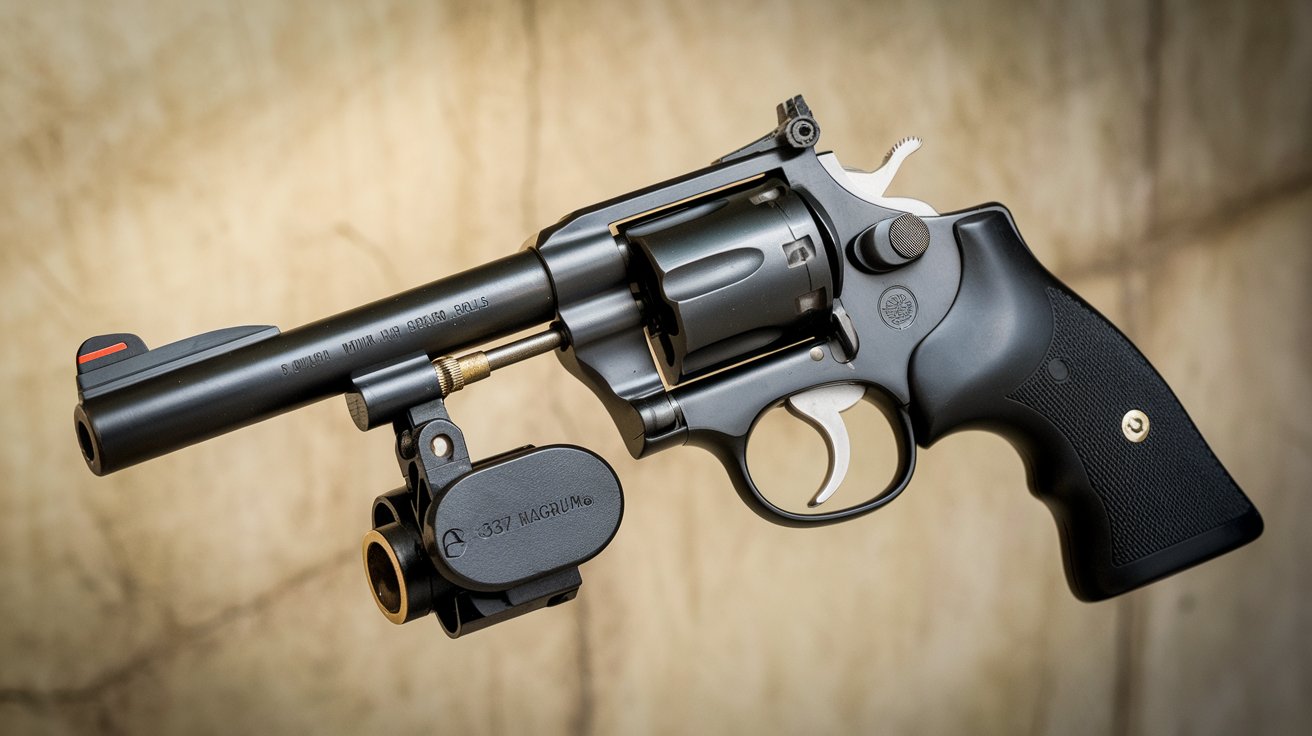
The action is the part of a modern firearm that has the same function as the lock on a muzzleloader. Just as the lock on a muzzleloader ignites the powder charge to fire the projectile, the action in modern firearms houses the firing mechanism that strikes the primer to discharge the cartridge. Understanding this fundamental comparison helps hunters and firearm enthusiasts appreciate how firing mechanisms have evolved while maintaining the same essential purpose across different firearm types.
Understanding the Lock Function on a Muzzleloader
The lock on a muzzleloader serves as the complete firing mechanism that ignites the powder charge. This system includes the hammer, frizzen or percussion cap mechanism, and all associated parts that create the spark or flame needed to ignite the main powder charge. In flintlock muzzleloaders, the lock creates a spark by striking flint against steel, while percussion lock muzzleloaders use a hammer to strike a percussion cap containing fulminate that sends flame through the touch hole into the powder charge.
The lock represents the heart of the muzzleloader firing system and determines the reliability and speed of ignition. Historical muzzleloaders from the 17th through 19th centuries used various lock designs, from matchlock to wheellock to flintlock and finally percussion systems. Each evolution improved reliability and reduced firing time. Modern inline muzzleloaders manufactured in 2026 use simplified lock mechanisms with enclosed primers similar to modern cartridge firearms, making them more weather-resistant and reliable for hunters across the United States.
The Action: Modern Equivalent of the Muzzleloader Lock
In modern firearms, the action is the mechanical system that loads, fires, and ejects cartridges. This component performs the identical function as the muzzleloader lock by housing and operating the firing mechanism. The action includes the bolt or breech mechanism, firing pin, extractor, and ejector. When you pull the trigger on a modern firearm, the action’s firing pin strikes the primer at the base of the cartridge, creating the ignition that propels the bullet forward.
Modern firearm actions come in several types including bolt-action, lever-action, pump-action, and semi-automatic designs. Each type operates differently but all contain the essential firing mechanism that replaces the muzzleloader’s lock. According to 2026 data from the National Shooting Sports Foundation, bolt-action rifles remain the most popular choice for hunters in the United States, accounting for approximately 42% of hunting rifle sales. The action’s design directly affects accuracy, reliability, and the speed at which follow-up shots can be taken.
Key Differences Between Locks and Actions
While the lock and action serve the same fundamental purpose, they differ significantly in complexity and operation. Muzzleloader locks are external mechanisms visible on the side of the firearm, while modern actions are typically enclosed within the receiver for protection from elements. The lock ignites loose powder loaded from the muzzle, whereas the action fires a self-contained cartridge with integrated primer, powder, and projectile.
The modern action offers several advantages over traditional muzzleloader locks, including faster reloading, weather resistance, and more consistent ignition. Contemporary inline muzzleloaders manufactured in 2026 bridge this gap by incorporating action-like features including enclosed firing systems and removable breech plugs. These modern muzzleloaders must still be loaded from the muzzle to comply with hunting regulations in states like Colorado, Montana, and Pennsylvania, which offer special primitive weapons seasons for muzzleloader hunters.
Evolution of Firing Mechanisms in Firearms
The development from muzzleloader locks to modern actions represents over 400 years of firearm innovation. Early matchlock mechanisms required a burning match cord, making them slow and unreliable in wet conditions. The flintlock system, dominant from the 1660s through the 1840s, improved reliability but still required external ignition. The percussion cap system introduced in the 1820s marked a significant advancement by using a self-contained primer.
The breakthrough to modern actions came with the development of metallic cartridges in the 1850s and 1860s. These self-contained ammunition units combined primer, powder, and bullet in one weatherproof package. This innovation enabled the creation of repeating firearms with magazines holding multiple cartridges. By 2026, modern firearms manufactured in the United States incorporate sophisticated actions with enhanced safety features, adjustable triggers, and corrosion-resistant materials that would astound 19th-century gunsmiths.
Safety Features: Locks vs Modern Actions
The safety mechanisms differ substantially between muzzleloader locks and modern actions. Traditional muzzleloaders typically use half-cock notches on the hammer as their primary safety feature, preventing the hammer from falling accidentally. However, this mechanical safety can fail if the firearm is dropped or struck. Many hunters in the United States prefer to carry muzzleloaders with the hammer down on an uncapped nipple or empty pan for maximum safety.
Modern firearm actions incorporate multiple redundant safety systems including manual thumb safeties, trigger safeties, firing pin blocks, and drop safeties. According to 2026 safety standards from the Sporting Arms and Ammunition Manufacturers’ Institute, new firearms must pass drop tests from multiple angles without discharging. Contemporary inline muzzleloaders often feature crossbolt or tang safeties similar to modern rifles, providing hunters with more reliable safety mechanisms during loading and unloading procedures in the field.
Proper Maintenance of Locks and Actions
Maintaining the firing mechanism is critical for both muzzleloader locks and modern actions. Muzzleloader locks require cleaning after every shooting session because black powder and black powder substitutes leave corrosive residue. Hunters must disassemble the lock, clean all parts with hot soapy water or specialized solvents, dry thoroughly, and apply appropriate lubricants. The percussion nipple requires particular attention as fouling can block the flash channel and cause misfires.
Modern firearm actions need less frequent but still essential maintenance. Most manufacturers recommend cleaning after extended shooting sessions or exposure to adverse weather conditions. The bolt face, firing pin channel, and extractor require regular inspection and cleaning. Using appropriate gun oils and greases prevents corrosion and ensures smooth operation. In humid regions of the United States like the Southeast coastal areas, firearms require more frequent maintenance to prevent rust. Professional gunsmiths across the United States report that neglected maintenance causes 60% of firearm malfunctions they repair in 2026.
Types of Muzzleloader Lock Systems
Understanding different muzzleloader lock types helps clarify the comparison with modern actions. Traditional sidelock muzzleloaders mount the lock mechanism on a plate attached to the side of the stock. These include flintlock and percussion designs used historically and still popular among traditional muzzleloader enthusiasts and historical reenactors throughout the United States.
Flintlock Mechanisms
The flintlock system uses a piece of flint clamped in the hammer jaws that strikes a steel frizzen when the trigger is pulled. This impact creates sparks that fall into the priming pan containing a small amount of fine powder, which ignites and sends flame through the touch hole to fire the main charge. Flintlocks require dry weather and careful loading procedures. Many states including Tennessee, Virginia, and North Carolina host special flintlock-only hunting seasons recognizing this historic technology.
Percussion Lock Systems
Percussion locks represent an improvement over flintlocks by using a copper percussion cap containing mercury fulminate or other impact-sensitive compounds. When the hammer strikes the cap placed on the nipple, it creates a hot flame that travels through the nipple into the powder charge. Percussion systems are more reliable in wet weather and provide faster ignition. Traditional percussion muzzleloaders remain popular among hunters who appreciate historical firearms but want better reliability than flintlocks offer.
Inline Ignition Systems
Modern inline muzzleloaders feature ignition systems where the primer sits directly behind the powder charge in line with the bore. These designs use modern primers similar to those in centerfire cartridges, providing the most reliable ignition available in muzzleloading firearms. Inline systems can use either 209 shotgun primers or specialized muzzleloader primers. The inline design is legal for muzzleloader hunting seasons in most United States jurisdictions, though some states like Idaho and Oregon restrict certain primitive weapons seasons to traditional sidelock designs only.
Types of Modern Firearm Actions
Modern firearms employ various action types that all perform the lock function of firing the cartridge. Understanding these action types helps hunters and shooters select appropriate firearms for different applications. Each action type offers specific advantages in terms of speed, reliability, accuracy, or simplicity.
Bolt-Action Systems
Bolt-action rifles feature a manually operated cylindrical bolt that chambers cartridges, locks the breech, and houses the firing pin. Hunters manually cycle the bolt to eject spent cases and chamber fresh rounds. Bolt actions offer exceptional accuracy because of their rigid lockup and simple design. Popular models manufactured in 2026 include the Remington Model 700, Winchester Model 70, and Ruger American Rifle. These actions dominate long-range shooting and big game hunting across the United States.
Semi-Automatic Actions
Semi-automatic actions use energy from fired cartridges to automatically cycle the action, ejecting the spent case and chambering a new round without manual operation. Gas-operated and recoil-operated designs are most common. The AR-15 platform represents the most popular semi-automatic action in the United States, with over 20 million units in civilian ownership as of 2026. Semi-automatic shotguns and rifles provide fast follow-up shots for hunting and competitive shooting.
Break-Action and Single-Shot Designs
Break-action firearms feature a hinge that allows the barrel to pivot open for loading and unloading. Single-shot rifles and double-barrel shotguns use this simple, reliable design. The action locks securely when closed and provides excellent accuracy in rifle configurations. Many experienced hunters prefer single-shot rifles for their simplicity, safety, and the discipline they impose by requiring precise shot placement. Several states including Illinois and Iowa require shotguns for deer hunting, making break-action slug guns popular choices.
Comparing Ignition Reliability
The reliability of ignition systems has improved dramatically from early muzzleloader locks to modern actions. Historical flintlock mechanisms had failure rates of 15-20% in ideal conditions and much higher in rain or humidity. Percussion caps improved reliability to approximately 95-98% in good conditions. Modern centerfire primers in cartridge firearms achieve 99.9% reliability when properly manufactured and stored.
Contemporary inline muzzleloaders using 209 primers approach modern firearm reliability levels while maintaining their classification as muzzleloaders. Testing conducted by muzzleloader manufacturers in 2026 shows inline systems with 209 primers achieve 99.5% ignition reliability under controlled conditions. However, muzzleloaders still face challenges that modern cartridge firearms do not, including powder contamination from moisture, improper loading procedures, and fouling buildup after multiple shots. Hunters using muzzleloaders during special seasons across the United States must practice diligent loading procedures to maintain reliability.
Legal Considerations and Hunting Regulations
Understanding the functional equivalence between locks and actions helps clarify hunting regulations across the United States. Most states define muzzleloaders based on loading method rather than ignition system, allowing inline muzzleloaders with modern primers during primitive weapons seasons. However, regulations vary significantly by state and hunters must verify local requirements before hunting.
As of 2026, several states maintain restrictive muzzleloader definitions for certain seasons. Colorado requires exposed ignition systems for its September muzzleloader elk season, prohibiting inline designs. Idaho specifies traditional ignition systems for some controlled hunts. Pennsylvania allows inline muzzleloaders but prohibits optical sights during its special flintlock season. The National Rifle Association and Congressional Sportsmen’s Foundation track these regulations, noting that approximately 35% of United States hunters participate in special muzzleloader seasons, generating over $850 million in economic activity annually.
Choosing Between Muzzleloaders and Modern Firearms
Hunters often debate whether to use muzzleloaders or modern firearms based on the functional similarities and differences between lock and action systems. Muzzleloaders offer access to special hunting seasons with less competition and often better trophy opportunities. States including Kentucky, West Virginia, and Mississippi offer early muzzleloader seasons before regular rifle seasons, providing hunters first opportunities at unpressured game.
Modern firearms with cartridge-based actions provide practical advantages including faster reloading, easier maintenance, and better performance in adverse weather. Hunters pursuing dangerous game or hunting in areas with predators often prefer modern rifles with quick follow-up shot capability. However, the challenge and tradition of muzzleloader hunting appeals to many sportsmen. Survey data from 2026 indicates that 68% of muzzleloader hunters also own modern rifles but specifically choose muzzleloaders for the enhanced challenge and connection to hunting heritage they provide.
Practical Shooting Considerations
The practical differences between muzzleloader locks and modern actions affect shooting performance significantly. Muzzleloaders require 30 seconds to several minutes to reload depending on the shooter’s skill level and the loading system used. Modern firearms with detachable magazines can be reloaded in 1-3 seconds. This timing difference means muzzleloader hunters must ensure proper shot placement on the first attempt.
Lock time, the interval between trigger pull and projectile launch, differs between systems. Modern actions typically have lock times of 2-4 milliseconds, while traditional muzzleloader locks range from 15-50 milliseconds depending on design. This longer lock time in muzzleloaders increases the potential for shooter movement affecting accuracy. Inline muzzleloaders reduce this gap with lock times around 3-6 milliseconds. Competitive shooters and hunters must account for these timing differences when developing shooting skills. Training facilities across the United States report that new muzzleloader shooters require an average of 50-100 practice shots to develop consistent accuracy compared to 20-30 shots for modern rifle proficiency.
Related video about which part of a modern firearm has the same function as the lock on a muzzleloader?
This video complements the article information with a practical visual demonstration.
Everything you need to know about which part of a modern firearm has the same function as the lock on a muzzleloader?
What is the function of the lock on a muzzleloader?
The lock on a muzzleloader serves as the complete firing mechanism that ignites the powder charge to fire the projectile. It includes the hammer, trigger mechanism, and ignition system whether flintlock, percussion, or inline design. When the trigger is pulled, the lock creates the spark or flame necessary to ignite the main powder charge loaded in the barrel. This function is identical to the role performed by the action in modern firearms, which houses the firing pin and mechanism that strikes the primer in a cartridge to create ignition.
Is the lock on a muzzleloader the same as a safety?
No, the lock on a muzzleloader is not the same as a safety, though the terms can cause confusion. The lock refers to the entire firing mechanism including the hammer, trigger, and ignition system. The safety on a muzzleloader typically consists of a half-cock notch on the hammer that prevents accidental discharge. Modern muzzleloaders may include additional safety devices like crossbolt safeties or tang safeties similar to those found on modern firearms. The lock fires the gun while the safety prevents unintended firing.
What makes a muzzleloader different from other firearms?
Muzzleloaders differ from other firearms in their loading method and firing system. Muzzleloaders must be loaded from the muzzle end of the barrel with separate components including powder, projectile, and wadding, while modern firearms use self-contained cartridges loaded from the breech. The lock on a muzzleloader ignites loose powder, whereas modern firearm actions fire integrated cartridges. Muzzleloaders typically allow only one shot before requiring reloading, while modern firearms with magazines enable multiple shots without reloading. These differences make muzzleloaders slower to operate but qualify them for special hunting seasons in most United States jurisdictions.
What powder is the only kind that should be used in a muzzleloader?
Only black powder or approved black powder substitute powders should be used in muzzleloaders. Black powder (FFg or FFFg granulation) has been the traditional propellant since muzzleloaders were invented. Modern substitutes including Pyrodex, Triple Seven, and BlackHorn 209 are specifically formulated for muzzleloader use and are safer to handle than black powder. Smokeless powder designed for modern cartridge firearms should never be used in muzzleloaders as it generates much higher pressures that can cause catastrophic barrel failure, serious injury, or death. Always consult your muzzleloader’s manual for approved powder types and maximum loads.
Which of the following describes safe handling of a muzzleloader?
Safe muzzleloader handling includes always keeping the muzzle pointed in a safe direction, keeping your finger off the trigger until ready to shoot, and treating every muzzleloader as if it were loaded. Never load a muzzleloader until ready to shoot, and always use the correct powder type and amount specified by the manufacturer. Keep the hammer on half-cock or use the safety when carrying a loaded muzzleloader. After firing, wait at least 60 seconds before reloading to ensure no ember remains that could cause premature ignition. Always wear safety glasses when shooting and use a proper ramrod that extends beyond the muzzle when fully seated to prevent hand injury.
You are shooting a muzzleloader and a hangfire happens, what should you do?
If a hangfire occurs when shooting a muzzleloader, keep the muzzle pointed in a safe direction and wait at least 60 seconds before taking any action. A hangfire means the ignition was delayed and the gun may still fire. Never open the action or approach the muzzle during this waiting period. After 60 seconds, if the gun has not fired, carefully remove the percussion cap or primer while keeping the muzzle pointed safely downfield. Then use a CO2 discharger or carefully remove the powder charge using a ball puller. Never attempt to fire again with the same primer or cap as this could cause a dangerous delayed discharge.
| Component | Muzzleloader Lock | Modern Firearm Action |
|---|---|---|
| Primary Function | Ignites loose powder charge through external ignition | Strikes primer in cartridge to create ignition |
| Loading Method | Loaded from muzzle with separate components | Loaded from breech with complete cartridges |
| Reload Time | 30 seconds to several minutes | 1-3 seconds with magazines |
| Lock Time | 15-50 milliseconds (traditional) | 2-4 milliseconds |
| Weather Resistance | Poor to moderate depending on design | Excellent with sealed cartridges |
| Ignition Reliability | 95-99.5% depending on system type | 99.9% with modern primers |
| Maintenance Required | After every shooting session | Periodic cleaning recommended |
| Hunting Season Access | Special primitive weapons seasons | General firearm hunting seasons |