
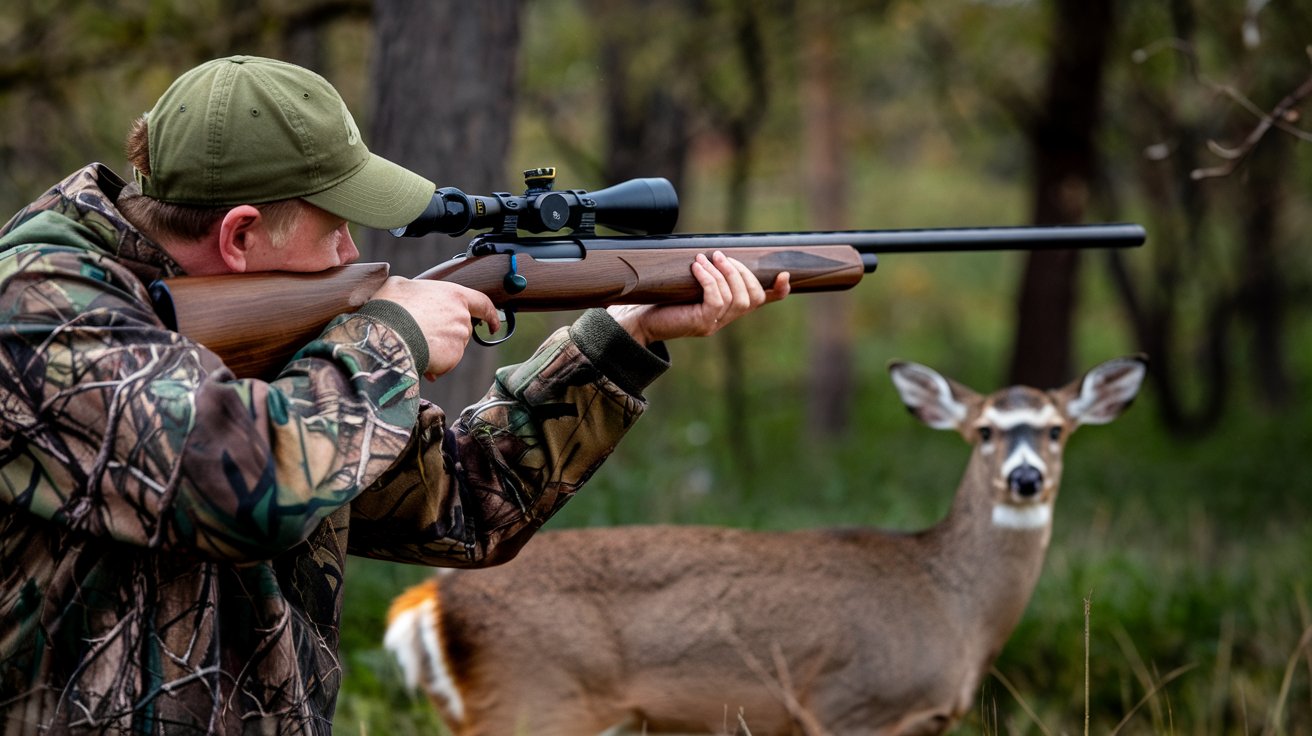
Muzzleloader season is a dedicated hunting period when hunters can only use muzzleloading firearms to harvest game, primarily deer. This special season typically occurs between archery and modern firearm seasons, offering hunters an extended opportunity to pursue game with traditional front-loading weapons. In 2026, muzzleloader seasons across the United States provide both experienced and novice hunters unique advantages, including less competition in the field and increased success rates in specific wildlife management areas.
Understanding Muzzleloader Season Fundamentals
A muzzleloader season represents a distinct hunting period established by state wildlife agencies to manage deer populations while honoring traditional hunting methods. During this season, hunters must use firearms that load from the muzzle rather than the breech, including rifles, shotguns, and pistols designed specifically for this purpose. The muzzleloader hunting season typically spans one to three weeks depending on the state, with most jurisdictions scheduling it during late fall or early winter when deer patterns become more predictable.
In 2026, approximately 42 states across the United States maintain dedicated muzzleloader seasons, with participation rates exceeding 2.8 million licensed hunters annually. These seasons serve multiple purposes: they extend hunting opportunities beyond standard firearm seasons, help control deer populations in areas with overabundance issues, and preserve the heritage of traditional hunting methods. State regulations carefully define what constitutes a legal muzzleloader, including specifications for ignition systems, projectile types, and optical sight restrictions that vary considerably across different regions.
What Does Muzzleloader Season Mean for Hunters
The term muzzleloader season mean refers to the regulatory framework that permits only primitive firearms during specific dates, distinguishing it from general firearm seasons. This designation creates a middle ground between archery-only periods and modern rifle seasons, appealing to hunters who appreciate the challenge of closer-range shooting and the historical significance of front-loading weapons. For many hunters, participating in muzzleloader season represents both a practical hunting strategy and a connection to American hunting traditions that date back centuries.
Understanding what muzzleloader season means practically involves recognizing the equipment limitations and advantages it presents. Hunters must load powder, wadding, and projectiles through the barrel’s front opening before each shot, which limits follow-up shot speed but encourages careful shot placement. The effective range for ethical kills typically extends to 150 yards with modern inline muzzleloaders, though traditional sidelock designs perform best within 100 yards. In 2026, technological advances in powder formulations and projectile design have improved accuracy significantly, making muzzleloader hunting increasingly competitive with centerfire rifle success rates in appropriate conditions.
Muzzleloader Season Dates Across Major States
Muzzleloader hunting dates vary significantly across the United States, with each state wildlife agency establishing seasons based on local deer population dynamics and harvest objectives. Understanding these season dates is critical for planning successful hunting trips and ensuring compliance with state regulations throughout 2026.
Virginia Muzzleloader Season 2026
Virginia operates both early muzzleloader season VA and late muzzleloader season VA periods to maximize hunting opportunities across diverse habitat types. The early season typically runs for two weeks in early November, while the late season extends from late December through early January. In 2026, Virginia hunting season regulations maintain these traditional periods, with the early season scheduled from November 7-21 and the late season from December 26 through January 9, providing hunters approximately three weeks of muzzleloader-specific opportunities.
The deer season in VA 2026 structure includes specific county-by-county variations, particularly in urban management areas like Arlington, Fairfax, Loudoun, and Prince William counties where extended seasons help control growing deer populations. Virginia requires that muzzleloaders be .45 caliber or larger, use single projectiles during deer season, and hunters must purchase appropriate deer tags before hunting. Success rates during Virginia muzzleloader season average approximately 18-22 percent, significantly higher than archery seasons due to increased effective range and improved weather conditions during the late season period.
West Virginia and Texas Season Dates
West Virginia structures its muzzleloader season WV differently than neighboring Virginia, typically offering a single extended period in late December that coincides with peak deer movement patterns. The 2026 WV muzzleloader season runs from December 19 through December 27, providing nine days of hunting opportunity statewide with some county-specific extensions available. West Virginia regulations permit .40 caliber and larger muzzleloaders with specific restrictions on electronic or battery-powered sights in primitive weapons seasons.
Texas approaches muzzleloader season in Texas with regional flexibility, allowing individual counties to establish seasons within broader regulatory frameworks. During 2026, most Texas counties incorporate muzzleloader opportunities within general seasons rather than creating separate primitive weapon periods. However, specific wildlife management areas and public hunting lands designate muzzleloader-only days typically during January, providing specialized opportunities for traditional weapons hunters. Texas hunters should consult county-specific regulations as muzzleloader dates vary considerably across the state’s 254 counties and multiple ecological regions.
Types of Muzzleloaders for Hunting
Selecting the appropriate muzzleloader for hunting significantly impacts success rates and hunting experience during the season. Modern hunters can choose from three primary categories, each offering distinct advantages depending on hunting style, budget, and state regulations.
Inline Muzzleloaders
Inline muzzleloaders represent the most popular choice among contemporary hunters, accounting for approximately 78 percent of muzzleloader sales in 2026. These firearms feature a straight-line ignition system where the primer sits directly behind the powder charge, improving ignition reliability and accuracy compared to traditional designs. Modern inline models accept 209 shotgun primers or specialized musket caps, providing consistent ignition even in adverse weather conditions. Most inline muzzleloaders accommodate scoped sights, synthetic stocks, and stainless steel barrels, making them practical choices for serious deer hunters who want maximum effectiveness during the season.
Performance advantages of inline designs include effective ranges extending to 200 yards with proper loads, sub-two-inch accuracy at 100 yards, and the ability to use modern sabot bullets that deliver rifle-like terminal ballistics. Popular 2026 models from manufacturers like CVA, Thompson/Center, and Traditions retail between $300-$800, offering excellent value for hunters seeking reliable performance. However, some states restrict certain inline features during primitive weapon seasons, so hunters must verify that their chosen firearm complies with local regulations before the season begins.
Traditional Sidelock and Flintlock Designs
Traditional sidelock muzzleloaders mount the ignition mechanism on the side of the barrel, using either percussion caps or flint-and-steel ignition systems favored by historical reenactors and purist hunters. These designs deliver authentic hunting experiences but require additional skill to operate effectively, particularly in wet conditions where ignition reliability becomes challenging. Flintlock models represent the oldest functional design, creating sparks through striking flint against a steel frizzen, while percussion sidelock versions use copper caps containing fulminate primers for more reliable ignition.
Hunters choosing traditional muzzleloaders typically value the historical connection and increased challenge over maximum effectiveness. These firearms generally perform best within 100 yards, require open iron sights or period-correct peep sights, and demand extensive practice to master. In 2026, approximately 15 percent of muzzleloader hunters actively use traditional designs, with dedicated seasons or special management areas in states like Pennsylvania, Maryland, and Idaho specifically reserving periods for flintlock-only hunting. Traditional muzzleloader prices range from $400-$1,200 depending on craftsmanship quality and historical authenticity.
Maintenance Requirements During Season
Proper maintenance directly correlates with muzzleloader reliability and safety throughout the hunting season. Unlike modern cartridge firearms, muzzleloaders require cleaning protocols that address corrosive residues from black powder or substitute powders that can damage barrels within hours if neglected.
How Many Times Can You Shoot Before Cleaning
The question of how many times can I shoot my muzzleloader before cleaning depends significantly on powder type, humidity levels, and accuracy requirements. With traditional black powder, shooters should clean after every 3-5 shots to maintain accuracy and prevent corrosion, as black powder residue is highly hygroscopic and corrosive. Modern substitute powders like Pyrodex, Triple Seven, or Blackhorn 209 allow extended shooting sessions of 10-15 rounds before cleaning becomes necessary, though accuracy may degrade after 8-10 shots as fouling accumulates.
During actual hunting conditions in muzzleloader season, most hunters fire only one or two shots per day, making daily cleaning the practical standard rather than shot-count thresholds. Best practice involves thoroughly cleaning the firearm each evening during the season, even if unfired, because temperature fluctuations and humidity can cause condensation inside the barrel that initiates corrosion. In 2026, approximately 67 percent of muzzleloader hunters report cleaning their firearms after every hunting day regardless of whether they fired, recognizing that preventive maintenance ensures reliability when critical shooting opportunities arise during the season.
Proper Cleaning Procedures
Effective muzzleloader cleaning requires specific procedures addressing the unique challenges of fouling from loose powder combustion. Hunters should remove the breech plug when possible, soak the barrel with hot water or specialized solvent, and use tight-fitting patches until they emerge clean from the bore. The barrel requires particular attention around the breech area where powder residue concentrates, often necessitating brass brushes to remove stubborn deposits. After water-based cleaning, shooters must dry the barrel thoroughly and apply protective oil to prevent flash rusting, which can occur within 30 minutes on bare steel surfaces.
Modern cleaning products designed specifically for muzzleloaders simplify maintenance considerably compared to traditional methods. Products like Bore Butter, Wonder Lube, and specialized black powder solvents neutralize corrosive salts while providing temporary rust protection between hunting days. Hunters should also clean and lubricate the action, inspect the nipple or primer pocket for erosion, and verify that the ramrod remains straight and undamaged. Proper maintenance ensures that muzzleloaders maintain accuracy and reliability throughout the season, with well-maintained firearms often delivering sub-three-inch groups at 100 yards even after years of regular use.
Safety Rules and Regulations
Muzzleloader safety protocols extend beyond standard firearm handling rules due to the unique loading procedures and potential hazards associated with loose powder and percussion ignition systems. Understanding and following these specialized safety guidelines prevents injuries and ensures ethical hunting practices throughout the season.
The 13 Yard Rule for Muzzleloaders
The 13 yard rule for muzzleloaders addresses a critical safety consideration regarding minimum safe distances when loading and handling these firearms. This guideline states that hunters should never charge their muzzleloader within 13 yards (approximately 40 feet) of another person, vehicle, or structure due to potential ignition risks from static electricity, sparks, or accidental primer ignition. While not universally codified in state regulations, the 13 yard rule represents industry best practice promoted by firearms manufacturers and hunting safety organizations across the United States.
Practical application of this rule during hunting season means hunters should load their firearms away from hunting partners, vehicles, and camp areas, ideally in open spaces where accidental discharge would pose minimal risk. The guideline particularly applies when using loose black powder or Pyrodex, which are more sensitive to ignition sources than modern substitutes. In 2026, hunter education courses across 38 states incorporate the 13 yard safety rule into muzzleloader-specific curricula, emphasizing that the few extra steps required for safe loading distances significantly reduce accident risks during the season.
Loading and Unloading Procedures
Safe loading procedures for muzzleloaders begin with verifying the barrel is completely clear before introducing any powder charge. Hunters should use a ramrod to check barrel depth against a marked reference, ensuring no obstructions remain from previous loads or cleaning patches. When measuring powder charges, always use volumetric measures or pre-measured pellets rather than estimating, as overcharging can cause dangerous pressure spikes. After seating the projectile, hunters should mark the ramrod to verify proper seating depth, as an air gap between powder and bullet creates extremely dangerous conditions that can burst barrels.
Unloading muzzleloaders at the end of each hunting day presents unique challenges since shells cannot simply be extracted like cartridge ammunition. Safest practice involves firing the charged firearm into a safe backstop or earthen bank, though some hunters prefer using CO2 discharge systems or ball pullers to remove charges without firing. Many experienced hunters maintain their firearms in loaded condition throughout the season, storing them in climate-controlled environments and verifying each morning that moisture has not compromised the powder charge. Regardless of chosen methods, hunters must always point the muzzle in safe directions and treat every muzzleloader as if loaded and ready to fire, following fundamental firearm safety principles throughout the season.
Hunting Strategies for Muzzleloader Season
Successful muzzleloader hunting requires modified strategies compared to archery or modern rifle seasons, accounting for different effective ranges, weather considerations, and deer behavior patterns typical during late fall periods when most muzzleloader seasons occur.
Effective Range Considerations
Understanding realistic effective ranges prevents wounding losses and ensures ethical harvests during muzzleloader season. Modern inline muzzleloaders with quality optics can deliver accurate shots to 150-175 yards under ideal conditions, though most experienced hunters limit shots to 125 yards or less to ensure reliable bullet expansion and adequate energy transfer. Traditional sidelocks and flintlocks perform best within 75-100 yards, requiring hunters to employ closer-range tactics like still-hunting, stalking, or stand placement near active travel corridors.
The effective range also depends on projectile selection, with modern polymer-tipped sabots maintaining velocity and accuracy significantly better than round balls or conical bullets. During 2026 muzzleloader seasons, approximately 73 percent of successful harvests occur within 100 yards regardless of equipment capability, suggesting that woodsmanship and positioning matter more than maximum range potential. Hunters should practice extensively at their self-imposed maximum range before the season, establishing confidence in hold-over points, wind drift compensation, and trajectory characteristics specific to their chosen load combination.
Weather Impact on Performance
Weather conditions dramatically affect muzzleloader reliability and hunting success during the season, particularly regarding ignition system performance in wet or humid conditions. Rain, snow, and fog can compromise powder charges and primers, with traditional percussion caps proving more susceptible to moisture infiltration than modern 209 primers used in inline designs. Hunters should employ protective measures including electrical tape over the muzzle, primer covers, and breech plug seals to maintain firearm readiness during adverse weather conditions.
Cold temperatures during late season periods affect powder combustion efficiency and can alter velocity by 50-100 feet per second compared to loads developed in moderate conditions. Hunters who sight-in during warm September weather may discover point-of-impact shifts of 3-5 inches at 100 yards when hunting in December cold. Smart muzzleloader hunters verify zero under conditions matching expected hunting weather, and some maintain separate load data for different temperature ranges. Despite weather challenges, late-season muzzleloader hunting often provides excellent opportunities as deer movement increases during breeding activities and food becomes concentrated in predictable locations, compensating for any equipment limitations imposed by winter conditions.
License Requirements and Bag Limits
Participating legally in muzzleloader season requires appropriate licensing and understanding of harvest regulations that vary significantly across states and sometimes between counties within the same state. In 2026, all states require valid hunting licenses, with most also mandating hunter education certification for first-time license applicants regardless of age.
Specific muzzleloader season requirements typically include base hunting licenses, deer management stamps or permits, and in some states, primitive weapons stamps that fund special seasons and wildlife management programs. Bag limits during muzzleloader seasons range from one deer in conservative states to six or more in areas with overabundant populations requiring aggressive management. Virginia exemplifies complex regulations with county-specific bag limit exceptions, antler point restrictions in some regions, and Earn-a-Buck programs requiring antlerless harvests before taking antlered deer in designated counties.
Understanding antlered and antlerless deer definitions proves critical for compliance, as regulations define these categories based on antler size rather than deer gender. Most states classify any deer with antlers measuring at least three inches above the skull as antlered, while deer lacking such antlers fall into the antlerless category regardless of actual sex. Bonus deer permits allow additional harvests beyond standard bag limits in many states, providing opportunities to take multiple deer during muzzleloader season when properly licensed. Hunters should review current regulations annually, as harvest rules frequently change based on updated population surveys and management objectives specific to each hunting year.
Youth and Apprentice Opportunities
Many states provide special youth hunting opportunities during or adjacent to muzzleloader seasons, recognizing the importance of introducing young hunters to the sport through mentored experiences. These youth-specific periods typically occur on weekends immediately before regular muzzleloader seasons open, allowing young hunters first access to undisturbed deer populations with experienced mentors providing guidance and supervision.
Virginia’s Youth and Apprentice Deer Hunting Weekend exemplifies such programs, designating specific days when hunters under 16 years old or participating in apprentice programs can hunt with relaxed license requirements and mentor supervision. During 2026, this weekend occurs in late September, providing early-season opportunities before archery pressure impacts deer behavior patterns. Young hunters may use any legal weapon including muzzleloaders, firearms, or archery equipment during youth weekends, offering flexibility in equipment selection based on individual skill levels and preferences.
Apprentice hunter programs across 42 states eliminate traditional hunter education requirements temporarily, allowing new adult hunters to participate under mentor supervision before completing certification courses. These programs have successfully recruited over 380,000 new hunters since 2015, with muzzleloader season providing ideal opportunities for apprentice hunters to experience hunting with simplified equipment and extended shot opportunities compared to archery seasons. Mentors must maintain direct supervision, typically defined as remaining within arm’s reach or immediate voice contact, ensuring safety while apprentices develop fundamental hunting skills during the season.
Chronic Wasting Disease Considerations
Chronic Wasting Disease (CWD) significantly impacts muzzleloader hunting regulations and deer management strategies across affected states in 2026. This fatal neurological disease affecting deer, elk, and moose has spread to 32 states, prompting wildlife agencies to implement aggressive surveillance programs and modified harvest regulations during all hunting seasons including muzzleloader periods.
Hunters participating in muzzleloader season within CWD-affected areas face additional requirements including mandatory testing of harvested deer, restrictions on carcass transportation across county or state lines, and in some jurisdictions, requirements to harvest additional antlerless deer to reduce population densities that facilitate disease transmission. States like Wisconsin, Michigan, and Pennsylvania offer free CWD testing during muzzleloader seasons, with results typically available within 10-14 days through online portals or text message notification systems.
Understanding CWD status in hunting areas helps hunters make informed decisions about meat consumption and trophy retention. While no evidence suggests CWD transmits to humans, CDC recommendations advise against consuming meat from CWD-positive animals. During the 2026 hunting season, approximately 28 percent of tested deer in established CWD zones returned positive results in some Wisconsin counties, emphasizing the importance of testing all harvested animals from affected regions. Hunters should consult state wildlife agency websites for current CWD distribution maps and specific regulations affecting muzzleloader hunting in disease management zones.
Related video about what is muzzleloader season
This video complements the article information with a practical visual demonstration.
Key Questions and Answers
What does muzzleloader season mean?
Muzzleloader season means a dedicated hunting period when only front-loading firearms are legal for hunting game, primarily deer. During this season, which typically occurs between archery and modern firearm seasons, hunters must use firearms that load from the muzzle rather than using cartridge ammunition. This special season extends hunting opportunities while honoring traditional hunting methods, typically running one to three weeks depending on state regulations. In 2026, over 2.8 million hunters participate in muzzleloader seasons across 42 US states.
How many times can I shoot my muzzleloader before cleaning?
With traditional black powder, you should clean after every 3-5 shots to prevent corrosion and maintain accuracy. Modern substitute powders like Pyrodex or Blackhorn 209 allow 10-15 shots before cleaning becomes necessary, though accuracy may decline after 8-10 rounds due to fouling buildup. During actual hunting conditions, best practice involves cleaning your muzzleloader every evening regardless of whether you fired it, as humidity and temperature changes can cause internal condensation leading to corrosion. Approximately 67 percent of hunters clean their firearms after every hunting day in 2026.
What is a muzzleloader for hunting?
A muzzleloader for hunting is a firearm that loads from the front opening of the barrel rather than the breech, including rifles, shotguns, and pistols designed specifically for this purpose. Hunters manually load powder, wadding, and projectiles through the muzzle before each shot. Modern inline muzzleloaders represent the most popular type, accounting for 78 percent of sales in 2026, featuring straight-line ignition systems and effective ranges to 150-175 yards. Traditional sidelock and flintlock designs offer historical authenticity but typically perform best within 100 yards, requiring more skill to operate effectively.
What is the 13 yard rule for muzzleloaders?
The 13 yard rule for muzzleloaders states that hunters should never charge their firearm within 13 yards (approximately 40 feet) of another person, vehicle, or structure due to ignition risks from static electricity or sparks. This safety guideline represents industry best practice promoted by manufacturers and hunting organizations, though it is not universally codified in state law. The rule particularly applies when using loose black powder or Pyrodex, which are more sensitive to ignition sources than modern substitutes. In 2026, hunter education courses in 38 states incorporate this safety rule into muzzleloader-specific training curricula.
When is muzzleloader season in Virginia for 2026?
Virginia operates two separate muzzleloader seasons in 2026: an early season from November 7-21 and a late season from December 26 through January 9. This structure provides approximately three weeks of muzzleloader-specific hunting opportunities across the state. Virginia requires muzzleloaders to be .45 caliber or larger and use single projectiles during deer season. Success rates during Virginia muzzleloader seasons average 18-22 percent, significantly higher than archery seasons due to increased effective range. County-specific variations exist, particularly in urban management areas, so hunters should verify local regulations before hunting.
Can you use modern muzzleloaders during primitive weapon season?
Whether you can use modern inline muzzleloaders during primitive weapon seasons depends entirely on state-specific regulations, which vary considerably across the United States in 2026. Some states permit any muzzleloader type including modern inlines with scopes during designated seasons, while others restrict primitive weapon periods to traditional sidelock or flintlock designs with iron sights only. States like Pennsylvania and Maryland maintain separate flintlock-only seasons with strict equipment requirements, while Virginia and West Virginia allow modern inline designs during their muzzleloader seasons. Hunters must carefully review current regulations for their hunting location to ensure equipment compliance before the season begins.
| Season Aspect | Key Details | Hunter Benefit |
|---|---|---|
| Season Timing | Typically 1-3 weeks between archery and rifle seasons, late fall/early winter | Less competition, predictable deer patterns, extended opportunities |
| Equipment Range | Inline: 150-175 yards effective; Traditional: 75-100 yards | Closer shots than rifles, longer range than archery, ethical harvest capability |
| Maintenance Schedule | Clean after 3-5 shots (black powder) or 10-15 shots (substitutes) | Prevents corrosion, maintains accuracy, ensures reliable ignition |
| Success Rates | 18-22% average across states in 2026, 73% of kills within 100 yards | Higher than archery, competitive with rifle in proper conditions |
| Safety Requirements | 13 yard loading rule, daily cleaning, proper charge verification | Reduces accident risks, ensures firearm reliability during critical moments |
| Popular States | Virginia (Nov-Jan), West Virginia (Dec), Texas (varies by county) | Multiple season options, diverse habitat types, varying regulations |