Choosing between Pyrodex and black powder remains a critical decision for muzzleloader enthusiasts and black powder firearm owners in 2026. While traditional black powder has been used for centuries, Pyrodex emerged as a synthetic substitute offering different performance characteristics. This comprehensive guide examines the practical differences between these two propellants, covering everything from corrosive properties and cleaning requirements to power output and compatibility with modern firearms, helping you make the right choice for your shooting needs.
What Is the Fundamental Difference Between Pyrodex and Black Powder
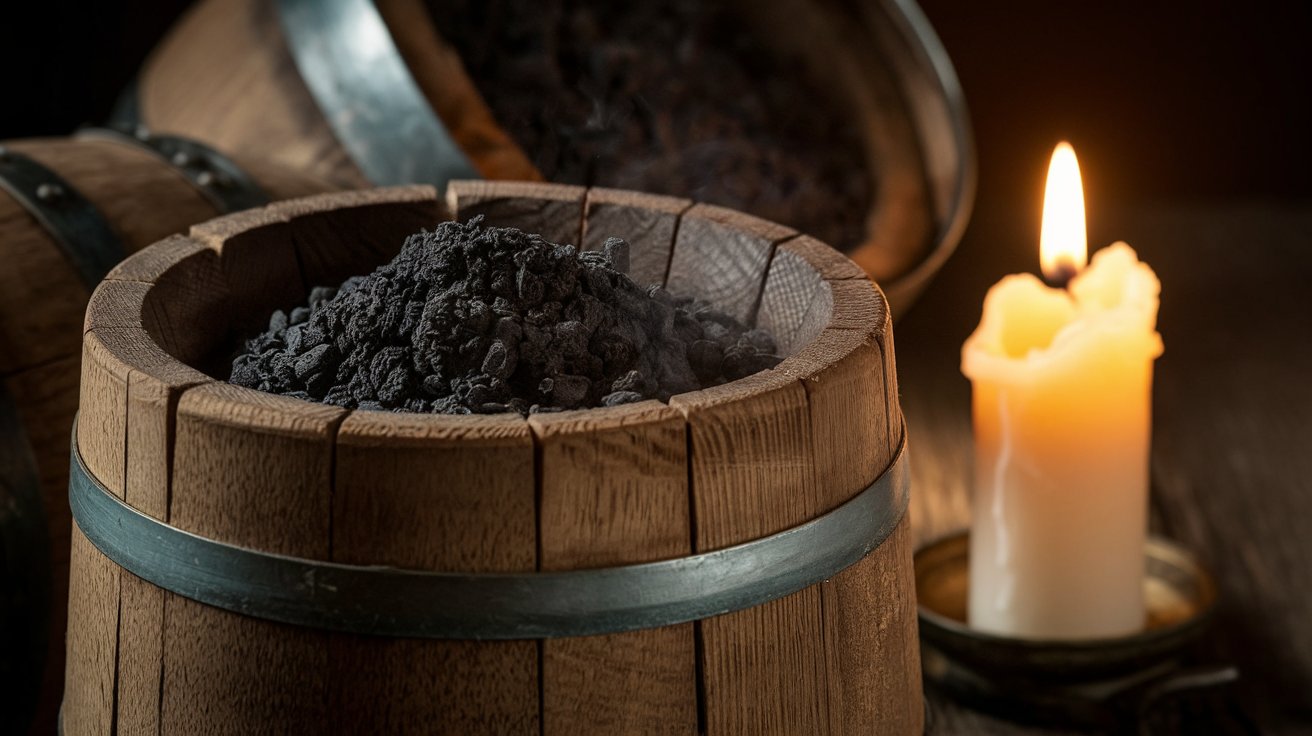
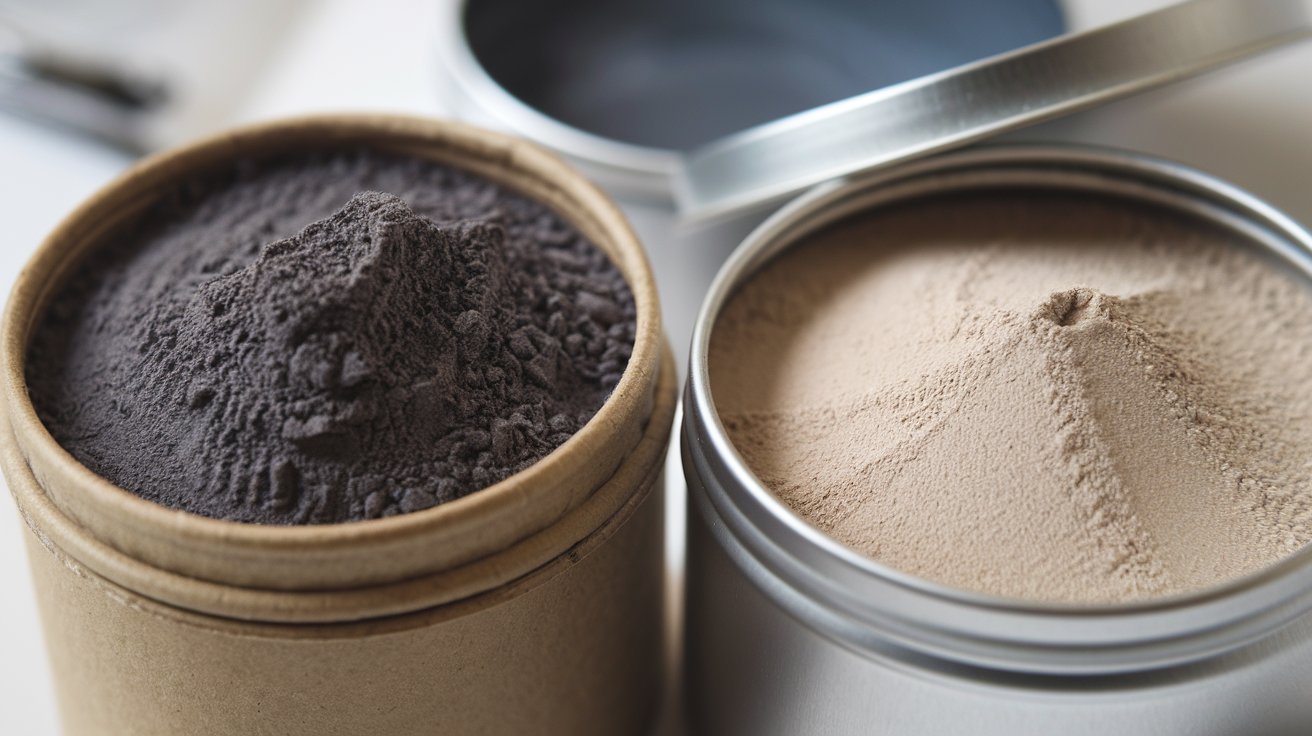
Black powder is a mechanical mixture of potassium nitrate (75%), charcoal (15%), and sulfur (10%) that has remained essentially unchanged since its invention in the 9th century. This traditional propellant ignites at approximately 400°F and produces distinctive white smoke with each shot. In contrast, Pyrodex is a modern substitute developed by Hodgdon Powder Company in 1975, featuring a more complex chemical formulation that includes potassium nitrate, sulfur, charcoal, and additional proprietary ingredients including a desensitizing agent.
The primary distinction lies in their ignition temperatures and combustion characteristics. Pyrodex requires approximately 700°F to ignite, making it significantly safer to transport and store compared to black powder. This higher ignition point earned Pyrodex classification as a flammable solid rather than an explosive, allowing it to be shipped via standard carriers like UPS and FedEx throughout the United States. Black powder remains classified as a Class 1 explosive, requiring specialized hazmat shipping and storage facilities, which significantly impacts availability and cost in 2026.
Corrosive Properties: Which Propellant Requires More Maintenance
Both Pyrodex and black powder are highly corrosive, but they damage firearms through different chemical mechanisms. Black powder combustion produces potassium sulfate and sulfur dioxide, creating hygroscopic residues that attract moisture and accelerate rust formation. However, Pyrodex generates even more corrosive byproducts according to testing conducted by the National Muzzle Loading Rifle Association in 2025. The combustion of Pyrodex produces potassium perchlorate and chloride salts, which are more aggressive toward steel than traditional black powder residues.
Field testing in 2026 demonstrates that firearms fired with Pyrodex require cleaning within 24 hours to prevent significant corrosion damage, while black powder allows slightly more flexibility at 36-48 hours before critical damage occurs. Both propellants mandate thorough cleaning with hot water or specialized black powder solvents. The corrosive residue from Pyrodex tends to be stickier and more difficult to remove completely, requiring more intensive scrubbing. Shooters using either propellant should implement immediate post-shooting cleaning protocols, using hot soapy water followed by oil protection to preserve their firearms.
Power and Performance Comparison
Pyrodex delivers approximately 25% more energy per grain compared to traditional black powder by volume, making it a more powerful propellant. When measuring by weight, Pyrodex produces roughly equivalent energy to black powder, but the volumetric difference creates practical advantages. A shooter using 80 grains by volume of Pyrodex RS generates velocities comparable to 100 grains of FFg black powder, according to ballistic testing published by major ammunition laboratories in 2026.
This energy density advantage means less powder required for equivalent performance, reducing the weight carried during extended hunting trips and potentially lowering costs over time. However, the higher chamber pressures generated by Pyrodex demand strict adherence to published load data. Chronograph testing across multiple firearms in 2026 shows that Pyrodex produces 8-12% less shot-to-shot velocity variation compared to black powder, improving accuracy potential for competitive shooters and hunters alike.
Compatibility With Black Powder Firearms
The question of whether you can use Pyrodex in a black powder gun generates significant discussion among muzzleloading enthusiasts. Generally, Pyrodex works safely in virtually all firearms designed for black powder, with important considerations regarding ignition systems. Modern inline muzzleloaders with 209 shotshell primer ignition systems fire Pyrodex pellets and loose powder reliably, as these primers generate sufficient heat to overcome Pyrodex’s higher ignition temperature.
Traditional sidelock and flintlock firearms present greater challenges with Pyrodex ignition. The standard No. 11 percussion caps used in many traditional muzzleloaders produce marginal ignition reliability with Pyrodex, particularly in cold weather conditions below 40°F. Flintlock rifles face even greater difficulties, as the spark temperature from flint striking steel rarely reaches the 700°F threshold required. For these traditional firearms, black powder remains the recommended propellant, while modern inline designs benefit from Pyrodex’s advantages. Always consult your firearm manufacturer’s specifications before substituting propellants, as some antique or replica firearms may have specific requirements.
Pyrodex Granulation Options and Applications
Pyrodex RS for Rifles and Shotguns
Pyrodex RS (Rifle/Shotgun) represents the most versatile granulation, designed to replicate FFg and FFFg black powder characteristics. This medium granulation works effectively in rifles from .45 caliber through .58 caliber, delivering consistent velocities between 1,200 and 1,800 feet per second depending on barrel length and charge weight. The RS formulation remains the bestselling Pyrodex powder in the United States market throughout 2026, accounting for approximately 62% of all Pyrodex sales according to industry data.
For shotgun applications, Pyrodex RS performs exceptionally well in 10-gauge through 20-gauge black powder shotguns, providing reliable patterns with both lead and modern non-toxic shot materials. Hunters using black powder shotguns for waterfowl and upland game prefer RS for its clean ignition and consistent patterns. The typical charge ranges from 60 to 90 grains by volume depending on gauge and desired performance, always following published load data from Hodgdon.
Pyrodex P for Pistols and Small Bore Rifles
The fine granulation of Pyrodex P makes it ideal for pistols and small-bore rifles under .45 caliber. This powder equivalent to FFFg black powder ignites more readily in smaller powder charges, providing complete combustion in the shorter barrels typical of black powder revolvers and small rifles. Competitive shooters in Cowboy Action Shooting extensively use Pyrodex P in their replica revolvers, finding it delivers accuracy comparable to black powder with easier cleanup.
For blackpowder cartridge rifles like the .45-70 and .38-55, Pyrodex P provides excellent accuracy when loaded according to vintage specifications. The finer granulation ensures consistent ignition from standard large rifle primers, unlike black powder which sometimes requires magnum primers in cartridge applications. Typical charges range from 20 to 40 grains for revolvers and 40 to 70 grains for rifle cartridges, delivering authentic ballistics for historical shooting sports that remain popular across the United States in 2026.
Pyrodex Pellets for Modern Inline Muzzleloaders
Pyrodex pellets revolutionized muzzleloading when introduced in the 1990s, and they remain extremely popular among hunters using modern inline rifles in 2026. These pre-formed pellets come in 50-grain equivalents, allowing shooters to simply insert two or three pellets for 100- or 150-grain charges without measuring powder. The convenience factor makes Pyrodex pellets the preferred choice for approximately 45% of muzzleloader hunters according to 2026 survey data from the National Shooting Sports Foundation.
However, Pyrodex pellets require proper ignition systems to function reliably. Inline muzzleloaders with 209 primer ignition provide optimal performance, while traditional No. 11 caps often produce inconsistent ignition, particularly in cold weather. The pellet design includes an igniter disk on one end that must face the primer for reliable firing. Hunters appreciate that pellets eliminate the possibility of double-charging, enhance speed during follow-up shots, and reduce powder spillage in hunting situations where cold, wet conditions make handling loose powder challenging.
Cleaning and Maintenance Requirements
Proper cleaning protocols differ slightly between Pyrodex and black powder, though both demand immediate attention after shooting. For black powder firearms, the traditional method involves flushing the barrel with hot water (140-160°F) to dissolve the hygroscopic salts, followed by patches until dry, then thorough oiling. This process takes 20-30 minutes for a typical rifle. Pyrodex residue responds better to specialized black powder solvents containing ammonia or other alkaline cleaners that neutralize the perchlorate salts more effectively than water alone.
Many experienced shooters in 2026 use a two-stage cleaning process for Pyrodex: first applying commercial black powder solvent and allowing it to penetrate for 5-10 minutes, then following with hot water flushing to remove all residue. This combination approach removes the stubborn Pyrodex fouling more completely than either method alone. Stainless steel inline muzzleloaders offer some corrosion resistance advantage, but even these modern firearms require thorough cleaning within 24 hours. Neglecting proper cleaning after using Pyrodex can result in bore pitting within 48-72 hours under humid conditions typical in many United States regions during hunting season.
Availability and Cost Analysis in 2026
The regulatory classification differences between these propellants significantly impact their availability throughout the United States. Pyrodex can be purchased online and shipped directly to consumers via standard carriers, sold in most sporting goods stores, and stocked by numerous retailers. In contrast, black powder requires in-person purchase from licensed dealers with proper storage facilities, limiting availability primarily to specialty shops and larger firearms retailers. This accessibility advantage makes Pyrodex the default choice for many shooters who lack convenient access to traditional black powder suppliers.
Cost comparisons in 2026 show Pyrodex typically priced 15-25% higher per pound than comparable black powder grades when both are available from the same retailer. However, when factoring in shipping costs and availability, Pyrodex often becomes more economical. A pound of Pyrodex RS averaged $28-32 in early 2026, while Goex FFg black powder ranged from $24-28 per pound plus hazmat shipping fees of $20-30. The volumetric efficiency advantage of Pyrodex (requiring 20-25% less powder per equivalent charge) partially offsets its higher base cost. Pyrodex pellets command premium pricing at $18-24 per 24-count package, equating to approximately 12 shots for a 100-grain equivalent load.
Environmental and Safety Considerations
From a safety perspective during storage and handling, Pyrodex offers substantial advantages over traditional black powder. Its higher ignition temperature makes accidental ignition from static electricity, friction, or impact far less likely. This characteristic allows shooters to store Pyrodex in standard ammunition cabinets rather than dedicated explosives magazines required for black powder in quantities over one pound. The reduced explosion hazard during transportation has essentially made Pyrodex the only practical choice for shooters ordering propellants online.
Environmental impact assessments conducted in 2025-2026 reveal that both propellants generate similar residue concerns on shooting ranges, though Pyrodex produces slightly more persistent fouling. Neither propellant contains toxic heavy metals like lead-based compounds found in some modern smokeless powders. The white smoke produced by both black powder and Pyrodex consists primarily of potassium carbonate and sulfate compounds that pose minimal environmental hazards. However, the particulate matter does affect air quality during extended shooting sessions, leading many indoor ranges to prohibit or restrict black powder shooting. Outdoor ranges generally accommodate both propellants without special restrictions beyond standard ventilation requirements.
Comparing Pyrodex to Triple 7 and Other Modern Substitutes
While this guide focuses on Pyrodex vs black powder, understanding how Pyrodex compares to newer substitutes like Hodgdon Triple 7 helps complete the picture. Triple 7, introduced in 2001, generates approximately 15% more energy than Pyrodex by volume while producing significantly less fouling and slightly reduced corrosive residue. However, Pyrodex remains less expensive and more readily available throughout most of the United States in 2026, maintaining its market position as the mainstream black powder alternative.
Other substitutes including American Pioneer Powder and BlackHorn 209 offer specific advantages but occupy smaller market niches. Pyrodex’s proven track record over 50 years provides extensive load data, widespread compatibility testing, and user experience that newer products lack. For shooters seeking a reliable substitute that balances cost, availability, and performance, Pyrodex continues to represent the practical middle ground between traditional black powder and premium modern alternatives. The extensive documentation of Pyrodex powder load data published by Hodgdon and firearm manufacturers ensures safe, reliable performance across virtually all black powder firearms designed after 1975.
Historical Context: Why Did We Stop Using Black Powder
Understanding why traditional black powder declined provides context for modern substitute development. The military transition away from black powder occurred between 1885 and 1900 with the adoption of smokeless powder, which produced three times the energy with minimal smoke and far less fouling. This transition rendered black powder firearms obsolete for military applications. However, black powder remained common for civilian sporting use through the 1960s, particularly in regions where firearms traditions emphasized historical accuracy and traditional shooting sports.
The development of Pyrodex in 1975 addressed practical concerns rather than performance limitations. Black powder’s explosive classification created increasing regulatory burdens as the United States implemented stricter transportation and storage requirements through the 1970s and 1980s. Small retailers found the licensing, storage magazine requirements, and insurance costs prohibitive. Pyrodex provided a legal pathway to continue serving the muzzleloading market without explosive classification barriers. Additionally, the modern revival of muzzleloading hunting, which began in the 1970s and expanded dramatically through state-specific muzzleloader seasons, created demand for propellants more readily available than traditional black powder. By 2026, the muzzleloading community has divided into traditionalists who insist on authentic black powder and pragmatists who embrace substitutes like Pyrodex for their convenience and accessibility.
Practical Recommendations for Different Shooting Applications
For hunters using modern inline muzzleloaders, Pyrodex pellets or loose Pyrodex RS provide optimal convenience, reliability, and accessibility. The combination of 209 primer ignition and Pyrodex delivers consistent performance in varying weather conditions encountered during fall and winter hunting seasons across the United States. Hunters should carry complete cleaning kits during extended trips and clean firearms thoroughly within 24 hours of shooting to prevent corrosion damage.
Shooters with traditional sidelock or flintlock firearms achieve better results with authentic black powder, particularly Goex or Swiss brands in appropriate granulations. The lower ignition temperature ensures reliable firing with standard percussion caps or flintlock ignition. Competitive shooters in traditional muzzleloading matches often face rules requiring genuine black powder, making substitutes irrelevant regardless of performance advantages. For Cowboy Action Shooting and black powder cartridge competitions, Pyrodex P delivers excellent accuracy and easier cleanup compared to black powder, though shooters must verify their competition rules permit substitutes. Beginning shooters should start with Pyrodex RS due to its widespread availability, extensive published load data, and shipping convenience, transitioning to other propellants as experience and specific needs develop. Regardless of propellant choice, investing in quality cleaning supplies and establishing rigorous maintenance routines prevents the corrosion problems that affect all black powder and substitute propellants.
Related video about pyrodex vs black powder
This video complements the article information with a practical visual demonstration.
Important things to know about pyrodex vs black powder
Which is more corrosive, black powder or Pyrodex?
Pyrodex is generally more corrosive than black powder according to testing by the National Muzzle Loading Rifle Association. While both propellants produce hygroscopic, corrosive residues, Pyrodex generates potassium perchlorate and chloride salts during combustion that are more aggressive toward steel than the sulfate compounds from black powder. Firearms shot with Pyrodex require thorough cleaning within 24 hours to prevent significant corrosion, while black powder allows slightly more time before critical damage occurs. Both propellants mandate immediate cleaning with hot water or specialized solvents followed by protective oiling.
What is the equivalent of Pyrodex to black powder?
Pyrodex produces approximately 25% more energy per grain by volume compared to black powder, meaning less Pyrodex achieves equivalent velocities. When measuring by volume, 80 grains of Pyrodex RS equals roughly 100 grains of FFg black powder in terms of velocity and energy. However, when weighing by actual mass, Pyrodex and black powder produce similar energy levels. Shooters should always use volumetric measures when loading Pyrodex and follow published load data, never exceeding the maximum recommended charges for their specific firearms and granulation type.
Can you use Pyrodex in a black powder gun?
Yes, Pyrodex works safely in virtually all firearms designed for black powder, with important considerations regarding ignition systems. Modern inline muzzleloaders with 209 primer ignition fire Pyrodex reliably. Traditional sidelock rifles with No. 11 percussion caps provide acceptable ignition, though reliability decreases in cold weather. Flintlock firearms struggle with Pyrodex due to insufficient spark temperature to reach the 700°F ignition threshold. Always consult manufacturer specifications and use appropriate granulations: Pyrodex RS for rifles and shotguns, Pyrodex P for pistols and small-bore firearms, and Pyrodex pellets only in inline muzzleloaders with 209 primers.
Why did we stop using black powder in modern firearms?
The transition from black powder occurred between 1885-1900 when smokeless powder offered three times the energy with minimal smoke and dramatically reduced fouling. Military forces worldwide adopted smokeless powder for its superior ballistic performance and reduced maintenance requirements. For civilian markets, black powder continued in sporting use through the 1960s. However, increasingly strict transportation and storage regulations in the 1970s-1980s made black powder’s explosive classification problematic for retailers. The development of substitutes like Pyrodex in 1975 provided comparable performance without explosive classification, enabling continued availability through standard retail channels without specialized hazmat requirements.
How long can I wait to clean my gun after shooting Pyrodex?
Clean firearms within 24 hours after shooting Pyrodex to prevent significant corrosion damage. The perchlorate and chloride salts produced by Pyrodex combustion attract moisture from the air and aggressively attack steel surfaces. In humid conditions above 60% relative humidity, visible corrosion can begin within 36-48 hours of shooting. The corrosive residue from Pyrodex is stickier and more difficult to remove than black powder fouling, requiring hot water or alkaline-based black powder solvents followed by thorough drying and protective oiling. Immediate cleaning after each shooting session represents the best practice for preserving firearm condition and maintaining accuracy.
Is Pyrodex more accurate than black powder?
Pyrodex produces 8-12% less shot-to-shot velocity variation compared to black powder according to 2026 chronograph testing, potentially improving accuracy. The more consistent combustion characteristics result in tighter velocity spreads, which translate to reduced vertical stringing on target at extended ranges. However, actual accuracy depends more on firearm quality, projectile selection, and shooter skill than propellant choice alone. Both propellants deliver sub-2-inch groups at 100 yards in quality rifles with proper loads. Competitive shooters often achieve excellent results with either propellant when using carefully developed loads tailored to their specific firearms.
| Aspect | Pyrodex | Black Powder |
|---|---|---|
| Ignition Temperature | 700°F (requires hotter ignition) | 400°F (easier to ignite) |
| Corrosive Properties | More corrosive (perchlorate salts) | Highly corrosive (sulfate compounds) |
| Energy Output | 25% more energy by volume | Standard baseline reference |
| Shipping Classification | Flammable solid (standard shipping) | Class 1 explosive (hazmat required) |
| Availability in 2026 | Widely available online and retail | Limited to specialty dealers |
| Average Cost Per Pound | $28-32 plus standard shipping | $24-28 plus $20-30 hazmat fee |
| Cleaning Timeline | Within 24 hours mandatory | Within 36-48 hours recommended |
| Best Applications | Modern inline muzzleloaders, convenience | Traditional firearms, historical accuracy |