Understanding the distinction between black powder and smokeless powder is essential for every shooter and firearm enthusiast in 2026. These two propellants differ fundamentally in their chemical composition, performance characteristics, and applications. While black powder remains the traditional choice for historical firearms and muzzleloaders, smokeless powder has revolutionized modern shooting with superior energy efficiency and cleaner operation. This comprehensive guide examines the critical differences that every responsible gun owner must understand.
Composition and Chemistry: Black Powder vs Smokeless Powder
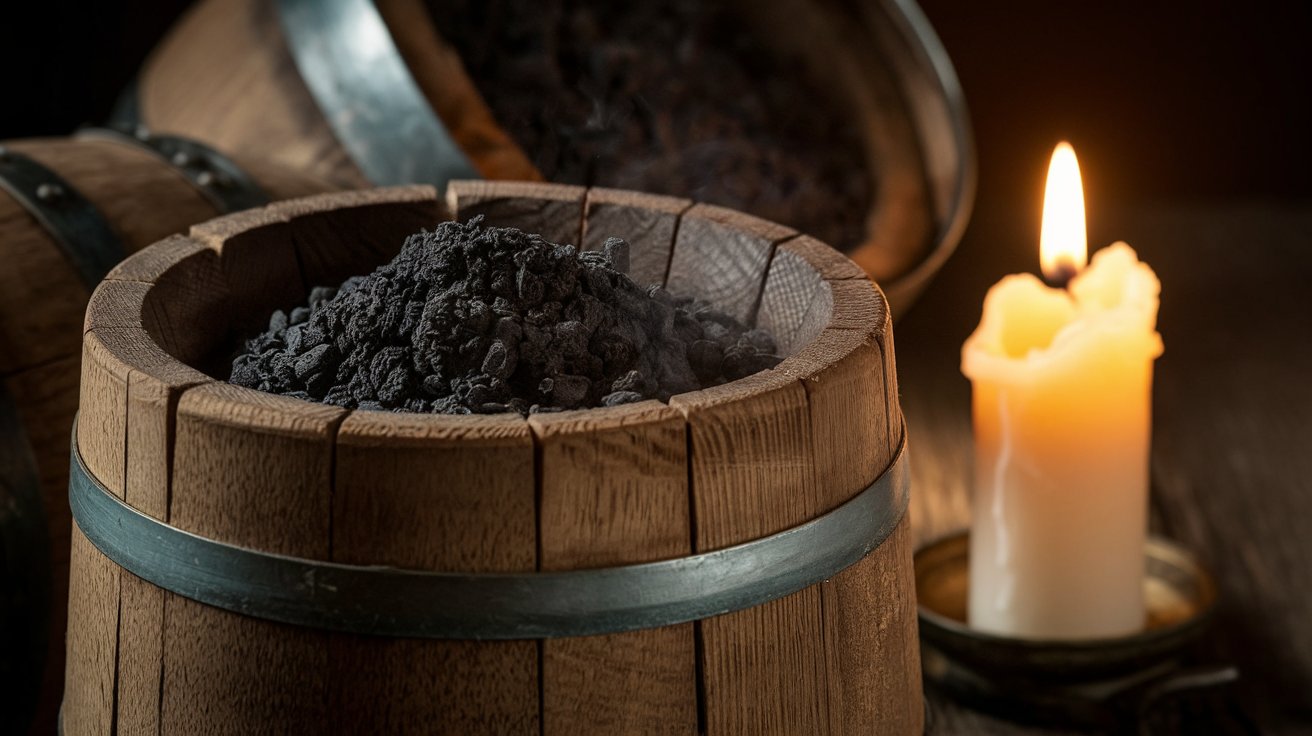
The fundamental difference between these propellants lies in their chemical composition. Black powder, also known as gunpowder, consists of a simple mechanical mixture of approximately 75% potassium nitrate (saltpeter), 15% charcoal, and 10% sulfur. This ancient formulation dates back centuries and creates a deflagrating explosive that burns rapidly at the surface rather than detonating. The mixture ignites easily and produces substantial amounts of smoke and solid residue.
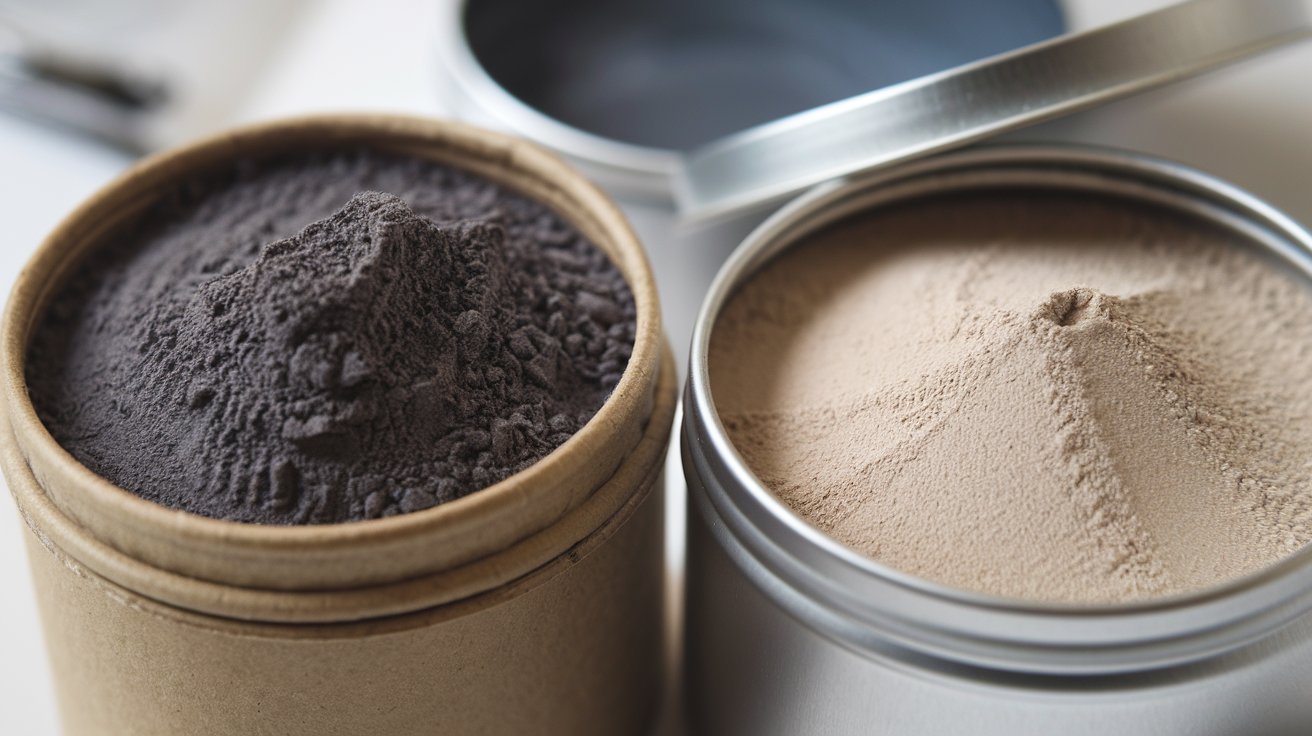
In contrast, smokeless powder represents advanced chemistry developed in the late 19th century. Single-base smokeless powder primarily contains nitrocellulose, while double base smokeless powder incorporates both nitrocellulose and nitroglycerin. Modern formulations also include stabilizers, deterrents, and flash suppressants to control burn rate and enhance performance. Unlike black powder, smokeless powder is a colloidal propellant that burns progressively, converting almost entirely to gas with minimal residue. This chemical sophistication explains why smokeless powder delivers three to four times the energy per unit weight compared to black powder.
Pressure and Performance Differences
The pressure characteristics between black powder and smokeless powder represent one of the most critical differences for firearm safety. Black powder generates relatively low peak pressures, typically ranging from 8,000 to 12,000 PSI in traditional firearms. This pressure develops almost instantaneously upon ignition, creating a sharp spike followed by rapid decline. The pressure curve is short and intense, which is why black powder firearms feature robust construction around the chamber area.
Smokeless powder operates at significantly higher pressures, commonly reaching 40,000 to 65,000 PSI in modern rifle cartridges, with some magnum calibers exceeding 70,000 PSI. The critical distinction is that smokeless powder generates progressive pressure that builds more gradually and sustains longer as the bullet travels down the barrel. This sustained pressure curve explains the superior velocity and energy transfer of smokeless powder. According to 2026 ballistics data from the United States ammunition industry, smokeless powder delivers approximately 150-200% more muzzle velocity than equivalent black powder charges in comparable bore sizes. The pressure difference also explains why black powder firearms cannot safely use smokeless powder, as the excessive pressure would cause catastrophic failure.
Energy Output and Velocity Comparison
When comparing energy output, smokeless powder demonstrates clear superiority in modern ballistic applications. Black powder produces approximately 40-45% of its weight as propellant gas, with the remainder becoming solid residue. This incomplete combustion limits the available energy, resulting in lower muzzle velocities typically between 1,000-1,600 feet per second in traditional applications. The energy density of black powder measures around 700-800 joules per gram.
Smokeless powder converts nearly 100% of its mass into propellant gases, achieving energy densities of 3,000-4,500 joules per gram depending on the formulation. Modern rifle cartridges using smokeless powder routinely achieve velocities exceeding 3,000 feet per second. In 2026 testing conducted across United States shooting ranges, identical bullet weights propelled by smokeless powder demonstrated 180-250% higher kinetic energy at 100 yards compared to black powder equivalents. This superior energy efficiency explains why smokeless powder dominates hunting, target shooting, and tactical applications where downrange performance matters.
Fouling, Corrosion and Maintenance Requirements
The maintenance demands between these propellants differ dramatically. Black powder fouling creates one of the most challenging aspects of traditional shooting. Each shot deposits substantial amounts of solid residue containing potassium sulfate, potassium sulfide, and other hygroscopic compounds. These residues attract moisture and produce corrosive sulfuric and sulfurous acids that aggressively attack steel. Black powder firearms require immediate cleaning after each shooting session, and even short delays can result in pitting and permanent barrel damage. The thick white smoke produced also reduces visibility and can reveal shooter positions.
Smokeless powder burns far cleaner, leaving minimal fouling that consists primarily of carbon deposits and trace amounts of primer residue. Modern smokeless formulations produce negligible corrosive byproducts, especially when combined with non-corrosive primers standard in United States ammunition since the 1950s. Firearms using smokeless powder can safely remain uncleaned for days or even weeks, though regular maintenance remains good practice. The reduced smoke production improves visibility and tactical considerations. According to 2026 data from shooting facilities across the United States, shooters using smokeless powder spend approximately 70% less time on barrel maintenance compared to black powder enthusiasts while experiencing significantly less barrel wear over equivalent round counts.
Reloading Considerations and Safety Protocols
Reloading procedures differ fundamentally between these propellants, with critical safety implications. Black powder reloading is relatively straightforward and forgiving. The powder is measured volumetrically rather than by weight, and loads are typically compressed for consistent ignition. Black powder cannot detonate from compression or impact under normal handling conditions. However, it remains extremely sensitive to sparks and open flames, requiring careful handling near any ignition source. Storage regulations in the United States classify black powder as an explosive requiring special permits for quantities exceeding 50 pounds.
Smokeless powder reloading demands precision and strict adherence to published load data. Unlike black powder, smokeless powder is loaded by weight using accurate powder scales, with variations of even a few tenths of a grain potentially causing dangerous pressure spikes. The wrong powder type or excessive charge can cause catastrophic firearm failure. Modern smokeless powder formulations burn at carefully controlled rates, and mixing powders or substituting types is extremely dangerous. Interestingly, smokeless powder is less sensitive to impact and spark than black powder, and in the United States, it is classified as a flammable solid rather than an explosive for storage purposes. Reloaders in 2026 utilize digital powder dispensers and verification systems that have reduced loading errors by over 85% compared to previous decades. The fundamental rule remains absolute: never use smokeless powder in firearms designed for black powder, as the pressure differential will destroy the firearm and potentially cause serious injury.
Applications: Where Black Powder Still Makes Sense
Despite the advantages of smokeless powder, black powder retains important applications in 2026. Historical firearms enthusiasts and reenactors require authentic black powder for period-correct shooting experiences. The United States maintains a vibrant black powder shooting community with dedicated hunting seasons in most states. Many jurisdictions offer special primitive weapons hunting periods where only muzzleloaders using black powder or approved substitutes are legal, providing extended opportunities for hunters.
The traditional shooting sports including cowboy action shooting and historical artillery demonstrations specifically require black powder for authenticity and safety with antique firearms. Black powder’s lower pressure makes it the only safe choice for older firearms not designed for modern pressures. Additionally, black powder and substitute powders remain essential for muzzleloading rifles, pistols, and shotguns which represent a significant segment of the United States shooting market. In 2026, approximately 4.2 million Americans participate in black powder shooting activities annually. The distinctive smoke, sound, and shooting experience continue attracting new enthusiasts who appreciate the historical connection and unique challenges black powder presents.
Can Smokeless Powder Be Used in a Muzzleloader?
This critical safety question deserves absolute clarity: traditional muzzleloaders designed for black powder must never use smokeless powder. The pressure differential is not merely significant but catastrophic. A standard black powder charge generating 10,000 PSI would, if replaced with equivalent volume of smokeless powder, potentially generate pressures exceeding 100,000 PSI, instantly destroying the firearm and causing severe injury or death to the shooter and bystanders.
However, modern firearms technology has produced specialized muzzleloading rifles specifically engineered for smokeless powder. Manufacturers like Savage produce the 10ML-II muzzleloader with actions and barrels designed to withstand smokeless powder pressures. These firearms use specially formulated propellants and precise loading data developed specifically for smokeless muzzleloading. In 2026, these represent less than 5% of the muzzleloader market in the United States. Hunters must verify their specific muzzleloader’s manual and markings, as most jurisdictions’ primitive weapons seasons prohibit smokeless-capable muzzleloaders. The fundamental safety principle remains: assume any muzzleloader requires black powder or approved substitutes unless the manufacturer explicitly rates it for smokeless powder with published load data. No experimentation or estimation is safe with this critical distinction.
Practical Advantages of Smokeless Powder for Modern Firearms
For contemporary shooting applications, smokeless powder offers overwhelming practical advantages. The superior energy density means shooters carry less weight for equivalent performance, a critical factor for hunters and tactical operators. A modern rifle cartridge delivers more energy with less than one-third the propellant volume required by black powder, allowing more compact ammunition and higher magazine capacities. The reduced fouling means firearms maintain accuracy longer between cleanings, with competitive shooters routinely firing 200-300 rounds before performance degradation.
The consistency and reliability of smokeless powder surpasses black powder significantly. Modern smokeless formulations maintain performance across temperature ranges from -40°F to 140°F, while black powder becomes unreliable in humid conditions and cold weather. Smokeless powder ammunition can be stored for decades with minimal degradation when properly maintained. In 2026 testing by United States ammunition manufacturers, properly stored smokeless powder ammunition demonstrated 99.8% reliability after 20 years, compared to significant degradation in black powder within 5 years under similar conditions. The reduced smoke signature improves shooter awareness, allows faster follow-up shots, and provides tactical advantages. These factors explain why smokeless powder dominates hunting, competitive shooting, law enforcement, and military applications throughout the United States and globally.
When Was Smokeless Powder Invented and Its Historical Impact
The development of smokeless powder represents one of firearms history’s most significant technological leaps. French chemist Paul Vieille invented the first practical smokeless powder, Poudre B, in 1884. This nitrocellulose-based propellant revolutionized military firearms almost immediately. By 1886, France had adopted the Lebel rifle chambered for the first smokeless powder military cartridge, providing French forces with significant advantages in range, velocity, and battlefield visibility.
The invention triggered rapid global military modernization. Alfred Nobel developed ballistite in 1887, and British chemists created cordite in 1889, both representing double base smokeless powder formulations. The United States military adopted smokeless powder with the .30-40 Krag cartridge in 1892, forever changing American military capabilities. By 1900, black powder had become obsolete for military applications worldwide. The sporting and civilian markets followed, with smokeless powder dominating ammunition production throughout the 20th century. In 2026, approximately 99.7% of centerfire ammunition manufactured in the United States utilizes smokeless powder. The historical impact extended beyond firearms, as nitrocellulose chemistry contributed to developments in plastics, films, and numerous industrial applications that shaped modern society.
Understanding Semi Smokeless Powder and Hybrid Propellants
Between traditional black powder and modern smokeless powder lies the lesser-known category of semi smokeless powder. These transitional propellants, developed primarily in the 1890s and early 1900s, attempted to bridge the gap between old and new technologies. Semi smokeless formulations typically combined nitrocellulose with black powder or used partially nitrated cellulose, producing less smoke than pure black powder but more than fully developed smokeless powder.
Historical examples include various military and commercial loads that offered improved ballistics over black powder while remaining compatible with some existing firearms. However, semi smokeless powder proved to be a brief transitional technology, largely abandoned by 1910 as fully developed smokeless propellants became standardized and affordable. In 2026, semi smokeless powder has primarily historical interest, with no significant commercial production in the United States. Modern shooters occasionally encounter the term when researching antique ammunition or historical load data. Some contemporary black powder substitutes marketed for muzzleloading applications might be considered conceptually similar, offering cleaner burning than true black powder while remaining safe in traditional firearms, though these are chemically distinct from historical semi smokeless formulations.
Black Powder Substitutes and Modern Alternatives
Recognizing black powder’s limitations, manufacturers have developed modern substitutes that address some traditional concerns while maintaining compatibility with black powder firearms. Products like Pyrodex, introduced in the 1970s, and Triple Seven, developed in the 2000s, offer reduced corrosion, less fouling, and improved consistency compared to traditional black powder. These substitutes are formulated to generate similar pressure curves, making them safe in firearms designed for black powder.
The most significant advantage of these black powder alternatives is reduced maintenance requirements and improved storage stability. Unlike traditional black powder, most substitutes produce less hygroscopic fouling, extending the time before mandatory cleaning from hours to days. However, they are not smokeless powder and cannot approach modern propellant performance. In 2026, the United States market offers numerous black powder substitutes, with varying characteristics for specific applications. Muzzleloader hunters particularly favor these products, as they comply with primitive weapons regulations while offering practical advantages. Importantly, these substitutes typically require specific ignition systems, with many performing better with magnum primers or 209 shotshell primers rather than standard percussion caps. Shooters must consult manufacturer guidelines, as substitutes are not universally interchangeable, and each product has specific loading recommendations and performance characteristics.
Comparing Smokeless Powder vs Flash Powder
While discussing propellants, it’s important to distinguish smokeless powder from flash powder, as these serve completely different purposes. Flash powder is a pyrotechnic composition, typically combining oxidizers like potassium perchlorate with fuels like aluminum powder. It deflagrates almost instantaneously, producing intense light and sound but minimal propulsive gas. Flash powder is used in fireworks, theatrical effects, and historical photography applications, never as a firearm propellant.
The confusion sometimes arises because both are modern chemical formulations distinct from black powder, but the similarities end there. Flash powder burns far too rapidly to function as a propellant, and its use in firearms would cause catastrophic failure. Its burn rate is thousands of times faster than smokeless powder, making it closer to a primary explosive than a propellant. In the United States, flash powder is heavily regulated, with restrictions exceeding those for both black powder and smokeless powder due to its sensitivity and explosive potential. Manufacturing or possessing flash powder without proper licensing violates federal law. Shooters and reloaders should never consider flash powder as having any relationship to firearm propellants. The materials, applications, safety considerations, and legal frameworks are entirely separate categories. This distinction is critical for safety and legal compliance in 2026.
Related video about black powder vs smokeless powder
This video complements the article information with a practical visual demonstration.
Your questions answered
Is smokeless powder more powerful than black powder?
Yes, smokeless powder is significantly more powerful than black powder. Smokeless powder delivers approximately three to four times the energy per unit weight compared to black powder. In practical terms, smokeless powder produces muzzle velocities 180-250% higher than black powder with equivalent bullet weights. This superior performance results from smokeless powder’s complete conversion to propellant gas and sustained pressure curve, whereas black powder converts only 40-45% of its mass to gas and generates a brief pressure spike. However, this greater power also means smokeless powder generates much higher chamber pressures (40,000-65,000 PSI versus 8,000-12,000 PSI), making it unsafe for firearms designed for black powder.
Is black powder just gunpowder?
Yes, black powder and gunpowder are the same substance. The terms are used interchangeably, with “gunpowder” being the older, more traditional name and “black powder” distinguishing it from modern smokeless powder. The composition remains consistent: approximately 75% potassium nitrate, 15% charcoal, and 10% sulfur. This mechanical mixture has remained essentially unchanged since its development centuries ago. The term “gunpowder” can sometimes cause confusion in modern contexts since many people mistakenly use it to refer to any firearm propellant, including smokeless powder. In technical and safety discussions, “black powder” is the preferred term as it clearly distinguishes this traditional propellant from modern smokeless formulations.
What is the closest smokeless powder to black powder?
No smokeless powder truly approximates black powder in terms of pressure characteristics, burn rate, or safe interchangeability. The two propellant types are fundamentally incompatible. However, if you’re seeking black powder substitutes that are cleaner-burning alternatives safe in black powder firearms, products like Pyrodex, Triple Seven, or Black Horn 209 are specifically designed to match black powder’s pressure curves while offering reduced fouling. These are not smokeless powders but rather modern formulations engineered for black powder firearm compatibility. For shooters wanting smokeless powder performance in a muzzleloader platform, only specially manufactured smokeless-rated muzzleloaders with appropriate propellants should be used. In 2026, no standard smokeless powder can safely replace black powder in traditional firearms under any circumstances.
What are the four types of black powder?
Black powder is classified into four granulation sizes designated by “F” ratings: Fg (coarse), FFg (medium), FFFg (fine), and FFFFg (extra fine). Fg is typically used for large bore rifles and shotguns over 75 caliber, FFg for rifles from .50 to .75 caliber and shotguns, FFFg for rifles .45 caliber and smaller plus pistols, and FFFFg primarily for priming pans in flintlock firearms. The granulation size affects burn rate, with finer powders burning faster and generating pressure more quickly. Proper granulation selection is critical for safety and performance. Using powder that’s too fine can create excessive pressure, while powder that’s too coarse may produce incomplete combustion and poor accuracy. In 2026, United States manufacturers continue producing these traditional granulations, with some also offering specialty granulations like FFFFg for specific applications.
Can I use black powder in a firearm designed for smokeless powder?
Generally, black powder can be used in firearms designed for smokeless powder, but this is neither recommended nor practical for most applications. Modern firearms have chambers, barrels, and mechanisms optimized for smokeless powder’s higher pressures and cleaner burning. Using black powder would result in significantly reduced performance, heavy fouling requiring immediate cleaning, and potential reliability issues with semi-automatic actions. The corrosive residue could damage modern firearms if not cleaned immediately and thoroughly. Additionally, many modern cartridges have cases too small to hold sufficient black powder for adequate performance. While physically possible and not dangerous (as the pressures are lower), the practical disadvantages make this combination unsuitable except for specialized experimental or historical reproduction purposes. Firearms designed for smokeless powder should use smokeless powder for optimal performance and reliability in 2026.
What are the disadvantages of smokeless powder?
While smokeless powder offers superior performance, it has notable disadvantages. It requires precise measurement by weight rather than volume, demanding more careful reloading procedures with less margin for error. Smokeless powder is more expensive than black powder on a per-pound basis. It requires properly designed firearms capable of withstanding high pressures, making it incompatible with historical firearms and traditional muzzleloaders. Smokeless powder can degrade over time, especially if exposed to heat or moisture, potentially becoming dangerous. It requires specific storage conditions and produces nitrogen dioxide and other gases during combustion that, while less visible, can be irritating in poorly ventilated indoor ranges. From a practical standpoint, the higher pressures and velocities increase barrel wear and throat erosion compared to black powder. Finally, in survival or primitive situations, black powder can theoretically be manufactured from available materials, whereas smokeless powder requires industrial chemical processes, making it unavailable without modern infrastructure.
| Characteristic | Black Powder | Smokeless Powder |
|---|---|---|
| Pressure Generated | 8,000-12,000 PSI | 40,000-70,000 PSI |
| Energy Density | 700-800 joules/gram | 3,000-4,500 joules/gram |
| Fouling Level | Heavy, corrosive residue | Minimal carbon deposits |
| Cleaning Required | Immediately after shooting | Can wait days/weeks |
| Typical Velocity | 1,000-1,600 fps | 2,400-3,400 fps |
| Smoke Production | Heavy white smoke | Minimal visible smoke |
| Storage Classification | Explosive (DOT 1.1) | Flammable solid (DOT 4.1) |
| Primary Applications 2026 | Muzzleloaders, historical firearms | Modern cartridge firearms |