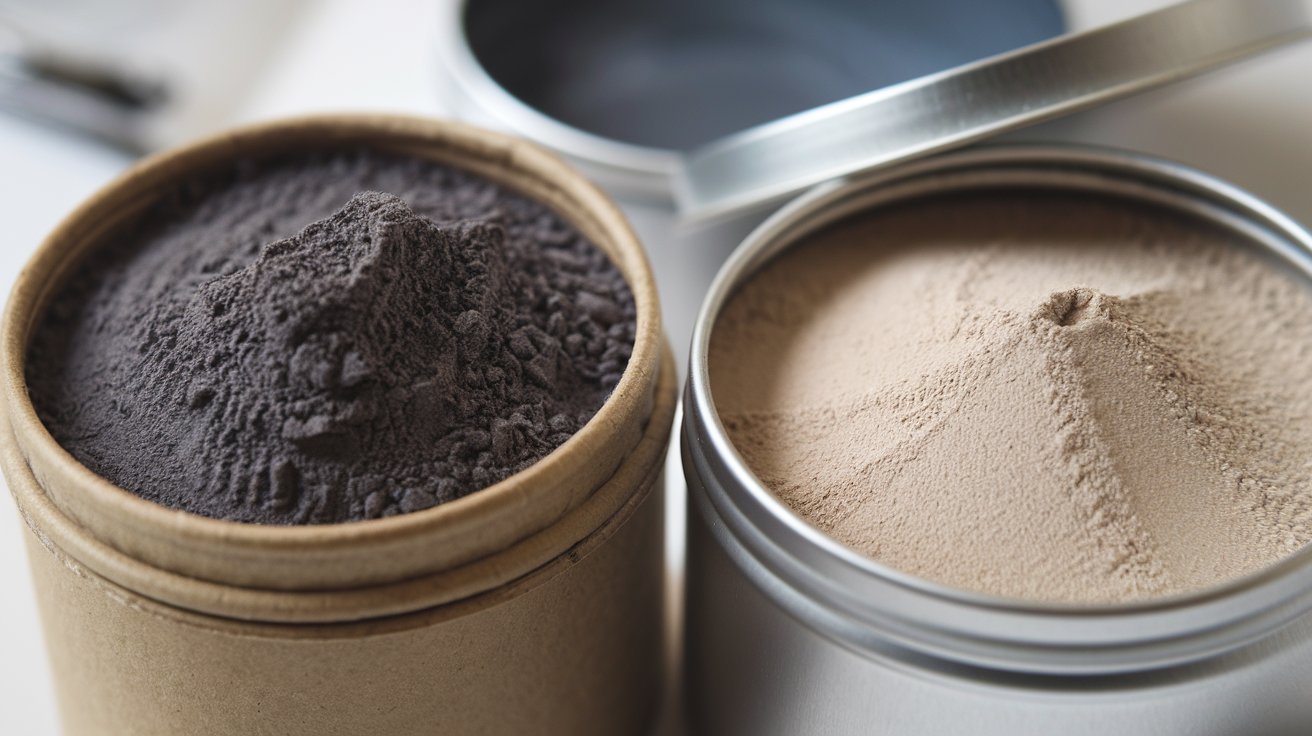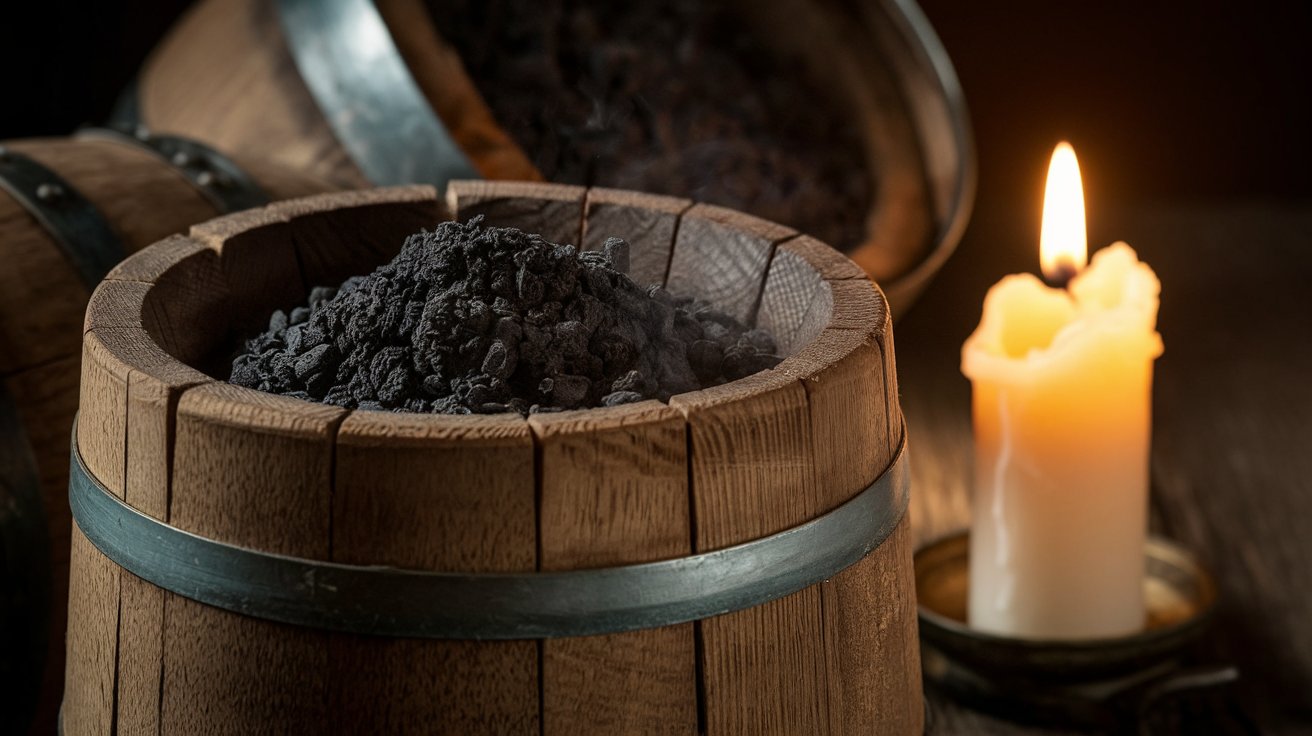
Black powder, also known as gunpowder, is the earliest known chemical explosive consisting of a mixture of sulfur, charcoal, and potassium nitrate (saltpeter). Invented in China during the 9th century, this historical propellant revolutionized warfare and remains popular today for black powder firearms, historical reenactments, and traditional hunting applications. Understanding what black powder is, how it differs from modern alternatives, and its current legal status in the United States is essential for firearms enthusiasts, hunters, and history buffs alike.
What Is Black Powder Made Of?
The composition of black powder follows a specific formula that has remained relatively unchanged for centuries. Traditional black powder consists of three primary ingredients mixed in precise proportions: 75% potassium nitrate (saltpeter), 15% charcoal, and 10% sulfur. This carefully balanced mixture creates a low explosive that deflagrates rather than detonates, producing the characteristic white smoke and distinctive odor associated with historical firearms.
The potassium nitrate acts as the oxidizer, providing the oxygen necessary for rapid combustion. Charcoal serves as the fuel source and is typically made from willow, alder, or other softwoods that have been charred in a controlled environment. Sulfur lowers the ignition temperature and increases the burn rate, allowing the mixture to ignite more readily. The quality and particle size of each ingredient significantly affect the black powder’s performance, burn rate, and consistency in firearm applications throughout the United States in 2026.
Four Types of Black Powder
Understanding the four types of black powder is crucial for anyone involved in traditional shooting sports or historical firearms. These classifications are based on granulation size, which directly affects burn rate and application suitability. Each type serves specific purposes in different firearms and shooting scenarios.
Fg and FFg: Coarse Grain Powders
Fg (coarse grain) represents the largest granulation and is primarily used in cannons, large-bore rifles, and shotguns. This type of black powder burns slower due to its larger particle size, making it ideal for heavy charges in larger firearms. FFg (medium grain) is the most versatile type, commonly used in rifles ranging from .45 to .75 caliber and in shotguns. As of 2026, FFg remains the most popular choice among black powder hunters in the United States, offering reliable performance across various shooting applications.
FFFg and FFFFg: Fine Grain Powders
FFFg (fine grain) is designed for smaller caliber rifles (.45 and below), pistols, and revolvers. Its faster burn rate provides better performance in shorter barrels and smaller powder chambers. FFFFg (extra fine grain) serves primarily as priming powder for flintlock firearms, used in the flash pan to ignite the main charge. This finest granulation ignites almost instantaneously, ensuring reliable ignition in traditional firearms. Modern manufacturers in 2026 maintain strict quality control standards to ensure consistent granulation across all four types, meeting safety requirements established by the Bureau of Alcohol, Tobacco, Firearms and Explosives.
Black Powder vs Smokeless Powder
The fundamental difference between black powder and smokeless powder lies in their chemical composition and performance characteristics. While black powder is a mechanical mixture of sulfur, charcoal, and potassium nitrate, smokeless powder consists of nitrocellulose-based propellants developed in the late 1800s. Smokeless powder produces significantly less smoke, generates higher pressures, and delivers greater energy efficiency, making it the standard propellant for modern firearms in the United States since the early 20th century.
Black powder burns at a much lower pressure than smokeless powder, typically generating pressures between 8,000 to 15,000 PSI compared to smokeless powder’s 40,000 to 60,000 PSI. This lower pressure characteristic makes black powder safer for use in antique and replica firearms not designed for modern pressures. However, black powder is highly corrosive due to its sulfur content, requiring immediate and thorough cleaning after use to prevent rust and deterioration. In contrast, smokeless powder produces minimal residue and does not require the same urgent maintenance. As of 2026, approximately 2.3 million Americans actively participate in black powder shooting sports, preserving this traditional shooting method despite the widespread availability of modern alternatives.
What Is Black Powder Used For Today?
Contemporary applications of black powder extend beyond historical reenactments, serving practical purposes in various industries and recreational activities across the United States. The primary use of black powder in 2026 centers on traditional firearms, including muzzleloaders, cap and ball revolvers, and flintlock rifles. Black powder hunting has grown substantially, with dedicated hunting seasons in 48 states offering extended opportunities for sportsmen using traditional firearms.
Beyond recreational shooting, black powder finds application in the pyrotechnics industry for creating authentic historical fireworks displays and theatrical effects. The mining and quarrying industries occasionally use black powder for specialized blasting operations where its lower brisance (shattering effect) is advantageous. Antique firearm restoration experts and gunsmiths rely on black powder for testing and demonstrating historical weapons. Additionally, the film and television industry employs black powder loads for period-accurate battle scenes and historical documentaries. The National Muzzle Loading Rifle Association reported membership growth of 12% between 2024 and 2026, indicating sustained interest in traditional black powder shooting sports throughout the country.
What Is Black Powder Hunting?
Black powder hunting represents a specialized form of hunting using traditional muzzleloading firearms that require manual loading of powder, projectile, and primer for each shot. This hunting method has experienced a renaissance in the United States, with state wildlife agencies offering exclusive black powder seasons that typically occur between archery and modern firearm seasons. These special seasons provide hunters with extended opportunities and often access to premium hunting areas with reduced competition.
Modern black powder hunting firearms include traditional sidelock muzzleloaders, in-line muzzleloaders, and black powder cartridge rifles. In-line muzzleloaders, which became popular in the 1990s, dominate the market in 2026 due to their improved accuracy and weather resistance while still using black powder or approved substitutes. Hunters must understand effective range limitations, as black powder firearms typically offer accurate shots between 50 to 150 yards depending on the rifle design and load. States like Pennsylvania, Tennessee, and Missouri report that black powder hunting participation has increased by 18% since 2023, driven by younger hunters seeking authentic outdoor experiences and additional hunting opportunities. The challenge of using single-shot firearms and traditional propellants appeals to sportsmen who value skill development and connection to hunting heritage.
What Is a Black Powder Gun?
A black powder gun refers to any firearm designed to operate using black powder or approved substitute propellants as the primary propellant charge. These firearms fall into two main categories: antique originals manufactured before 1899 and modern replicas or traditional designs produced specifically for black powder enthusiasts. Black powder guns include muzzleloaders (loaded from the front of the barrel), cap and ball revolvers, and rifles chambered for black powder cartridges like the .45-70 Government.
The defining characteristic of a black powder gun is the loading process and propellant type rather than appearance. Muzzleloading rifles require the shooter to pour a measured powder charge down the barrel, followed by a patch and projectile, then cap the nipple or prime the pan for ignition. Modern in-line muzzleloaders simplify this process with enclosed ignition systems and saboted bullets but still fundamentally operate on black powder principles. As of 2026, manufacturers like CVA, Thompson/Center (now discontinued but models remain popular), Traditions, and Pedersoli produce black powder firearms incorporating modern materials and manufacturing techniques while maintaining traditional operation. The federal definition in the United States classifies firearms manufactured before 1899 or muzzleloading replicas as antiques not subject to the same regulations as modern firearms, though state laws vary considerably.
Is Black Powder Illegal in the US?
Black powder is not illegal in the United States at the federal level, though its purchase, possession, and use are subject to specific regulations that differ from modern smokeless powder. Under federal law administered by the ATF, individuals may purchase up to 50 pounds of black powder for personal use without requiring a federal explosives license. This exemption recognizes the historical and sporting applications of black powder while acknowledging its explosive nature.
However, black powder regulations vary significantly by state and local jurisdiction. Some states require permits for purchasing quantities exceeding certain limits, while others impose storage requirements for safety purposes. In 2026, states like California, New York, and Massachusetts maintain stricter controls on black powder acquisition and storage compared to states with more permissive regulations. Commercial sales of black powder must comply with ATF regulations regarding storage, record-keeping, and transportation. Retailers typically limit individual purchases and may require identification verification. Black powder cannot be shipped via standard mail services and must be transported by licensed ground carriers using hazardous materials protocols. While black powder itself is legal for sporting purposes, using it to manufacture explosive devices or for unlawful purposes constitutes serious federal crimes. Responsible black powder users should consult their state wildlife agency and local ordinances to ensure compliance with all applicable regulations in their jurisdiction.
Is Black Powder Dangerous?
Black powder is inherently dangerous due to its explosive nature and sensitivity to ignition from heat, sparks, static electricity, and friction. Unlike smokeless powder, which requires significant heat and pressure to ignite, black powder can ignite from relatively minor ignition sources, making safe handling practices absolutely essential. When confined, black powder can explode with considerable force, capable of causing severe injuries, property damage, or fatalities. The U.S. Chemical Safety Board classifies black powder as a Class A explosive requiring careful storage and handling protocols.
The primary dangers associated with black powder include accidental ignition during handling, improper storage leading to fire hazards, and unsafe practices during loading procedures. Static electricity buildup, particularly in dry climates, can provide sufficient energy to ignite black powder, which is why synthetic clothing should be avoided when handling this propellant. Never smoke or allow open flames near black powder, and always use brass or non-sparking tools when measuring charges. Store black powder in approved containers away from living spaces, preferably in a dedicated magazine that limits explosion propagation. Between 2023 and 2026, the National Safety Council reported an average of 47 accidents annually involving black powder in the United States, with most incidents resulting from improper storage or careless handling rather than normal shooting activities. When proper safety protocols are followed—including appropriate storage, careful measurement, and correct loading procedures—black powder can be used safely for its intended sporting and recreational purposes.
Why Did We Stop Using Black Powder?
The transition from black powder to smokeless powder occurred primarily between 1886 and 1920 due to significant performance advantages offered by nitrocellulose-based propellants. French chemist Paul Vieille developed the first practical smokeless powder in 1884, followed by improvements from British and American scientists. Military forces rapidly adopted smokeless powder because it produced minimal smoke, preventing position exposure during combat—a critical tactical disadvantage of black powder firearms that revealed shooter locations through distinctive white smoke clouds.
Beyond tactical considerations, smokeless powder delivered superior ballistic performance, generating higher velocities with smaller powder charges and producing flatter trajectories for improved accuracy at extended ranges. The significantly reduced fouling and corrosion associated with smokeless powder decreased maintenance requirements and extended firearm service life. Smokeless powder’s greater energy density allowed for more compact cartridge designs and lighter ammunition loads, important factors for military logistics. By 1898, the U.S. military had fully transitioned to smokeless powder with the adoption of the .30-40 Krag rifle, followed by civilian sporting arms manufacturers who converted their product lines by 1920. Despite these advantages, black powder never completely disappeared, maintained by traditionalists, historical enthusiasts, and hunters who value its unique characteristics. In 2026, approximately 8% of firearms discharges in recreational shooting involve black powder or its substitutes, demonstrating this historic propellant’s enduring appeal more than a century after it ceased being the dominant propellant technology.
Black Powder Substitutes and Modern Alternatives
Modern black powder substitutes have emerged since the 1970s, offering similar performance with improved safety characteristics and reduced corrosion. Products like Pyrodex (introduced in 1975), Triple Seven, Black Mag3, and BlackHorn 209 provide alternatives that function in traditional black powder firearms while addressing some of the original propellant’s limitations. These substitutes typically use different chemical formulations that resist accidental ignition, produce less fouling, and generate reduced corrosive residue compared to traditional black powder.
Pyrodex, manufactured by Hodgdon Powder Company, remains the most widely used substitute in the United States as of 2026, with market penetration estimated at 60% of the muzzleloading propellant market. It requires higher ignition temperatures than true black powder, reducing sensitivity to accidental discharge while delivering comparable ballistic performance. Triple Seven offers even cleaner burning characteristics with minimal smoke production, though it generates higher pressures requiring reduced charges. BlackHorn 209, introduced specifically for modern in-line muzzleloaders, represents the latest evolution in propellant technology, offering smokeless powder-like cleanliness while remaining legal for black powder hunting seasons in most states. However, traditionalists and users of antique firearms often prefer authentic black powder for its historical accuracy, reliable ignition in flintlock systems, and characteristic smoke production. Regulations regarding substitutes vary by state hunting authorities, with some jurisdictions restricting certain formulations during primitive weapons seasons to maintain traditional hunting challenges.
Safe Storage and Handling Practices
Proper storage of black powder is critical for safety and represents a legal responsibility for owners in the United States. Store black powder in original containers with tight-fitting lids in a cool, dry location away from living areas, preferably in a wooden magazine or approved storage cabinet. Never store black powder in metal containers that might generate sparks, and keep it separated from primers, loaded ammunition, and other flammable materials. The ideal storage temperature ranges between 50-70°F with relative humidity below 50% to prevent moisture absorption that could affect performance.
When handling black powder, work in well-ventilated areas away from ignition sources including cigarettes, open flames, welding operations, and electronics that generate sparks. Use plastic or brass measuring tools specifically designed for black powder; never use steel implements that might create sparks. Pour powder from the container carefully to avoid creating dust clouds, and immediately close the main container after dispensing the required amount. Never work over an open powder container with a charged firearm, and always measure charges away from the shooting bench. Ground yourself to discharge static electricity before handling black powder, particularly in low-humidity environments. In 2026, the National Fire Protection Association’s NFPA 495 standard provides comprehensive guidelines for black powder storage, limiting quantities based on building construction and separation distances. Most insurance companies require disclosure of black powder storage exceeding 5 pounds, and some may exclude coverage or require additional premiums for larger quantities maintained for commercial purposes or serious competition shooting.
Related video about what is black powder
This video complements the article information with a practical visual demonstration.
Important things to know about what is black powder
Is black powder illegal in the US?
Black powder is not illegal in the United States at the federal level. Individuals can legally purchase up to 50 pounds for personal use without requiring a federal explosives license. However, state and local regulations vary significantly, with some jurisdictions imposing additional requirements for purchase, storage, and possession. Commercial sales must comply with ATF regulations, and black powder cannot be shipped through standard mail services. Always check your state and local laws before purchasing or storing black powder, as regulations in states like California, New York, and Massachusetts are more restrictive than in other regions.
What is black powder used for today?
Black powder is primarily used for traditional firearms including muzzleloaders, cap and ball revolvers, and black powder cartridge rifles in 2026. Its main applications include black powder hunting during special seasons in 48 states, historical reenactments, competitive shooting sports, and antique firearm operation. The pyrotechnics industry uses it for authentic historical fireworks displays, while specialized mining operations occasionally employ it for controlled blasting. Film and television productions use black powder for period-accurate battle scenes, and approximately 2.3 million Americans actively participate in black powder shooting sports, maintaining connection to traditional shooting methods.
Why did we stop using black powder?
The transition from black powder to smokeless powder occurred between 1886 and 1920 due to significant tactical and performance advantages. Smokeless powder eliminated the distinctive white smoke that revealed shooter positions, provided higher velocities with smaller charges, reduced fouling and corrosion, and enabled more compact cartridge designs. Military forces adopted smokeless powder first for tactical reasons, followed by civilian manufacturers who recognized superior ballistic performance. By 1920, smokeless powder had become the standard propellant, though black powder remained in use for traditional firearms and has experienced a renaissance among hunters and historical shooting enthusiasts.
What are the four types of black powder?
The four types of black powder are classified by granulation size: Fg (coarse grain) for cannons and large-bore rifles, FFg (medium grain) for rifles .45 to .75 caliber and shotguns, FFFg (fine grain) for smaller caliber rifles and pistols, and FFFFg (extra fine grain) used exclusively as priming powder for flintlock firearms. Each type has specific burn rate characteristics matched to particular applications, with larger granulations burning slower for heavy charges and fine granulations providing faster ignition. FFg remains the most popular choice among hunters in the United States, offering versatile performance across various shooting applications.
Is black powder dangerous?
Black powder is inherently dangerous due to its sensitivity to ignition from heat, sparks, friction, and static electricity. Classified as a Class A explosive, it can ignite more easily than smokeless powder and explode with considerable force when confined. Between 2023 and 2026, the United States averaged 47 accidents annually involving black powder, mostly from improper storage or careless handling. However, when proper safety protocols are followed—including appropriate storage in approved containers, use of non-sparking tools, avoiding static electricity, and careful loading procedures—black powder can be used safely for sporting and recreational purposes. Never smoke near black powder or expose it to open flames or ignition sources.
What is black powder made of?
Black powder consists of three primary ingredients in specific proportions: 75% potassium nitrate (saltpeter) serving as the oxidizer, 15% charcoal providing fuel, and 10% sulfur lowering ignition temperature and increasing burn rate. This mechanical mixture creates a low explosive that deflagrates rather than detonates, producing characteristic white smoke and distinctive odor. The quality and particle size of each ingredient significantly affect performance, with charcoal typically made from willow or alder softwoods charred in controlled conditions. This formula has remained essentially unchanged for centuries, though modern manufacturing ensures consistent quality and granulation for reliable performance in firearms applications throughout the United States.
| Key Aspect | Important Details | Benefit |
|---|---|---|
| Composition | 75% potassium nitrate, 15% charcoal, 10% sulfur | Reliable ignition and consistent performance in traditional firearms |
| Legal Status | Legal federally up to 50 pounds for personal use; state regulations vary | Accessible for sporting purposes with proper compliance |
| Hunting Applications | Special seasons in 48 states; 18% participation increase since 2023 | Extended hunting opportunities and reduced competition |
| Powder Types | Fg, FFg, FFFg, FFFFg based on granulation size | Optimized performance for specific firearms and applications |
| Safety Requirements | Proper storage, non-sparking tools, no ignition sources nearby | Prevention of accidents when handling Class A explosive |
| Modern Substitutes | Pyrodex, Triple Seven, BlackHorn 209 with improved characteristics | Reduced corrosion and easier cleanup while maintaining tradition |