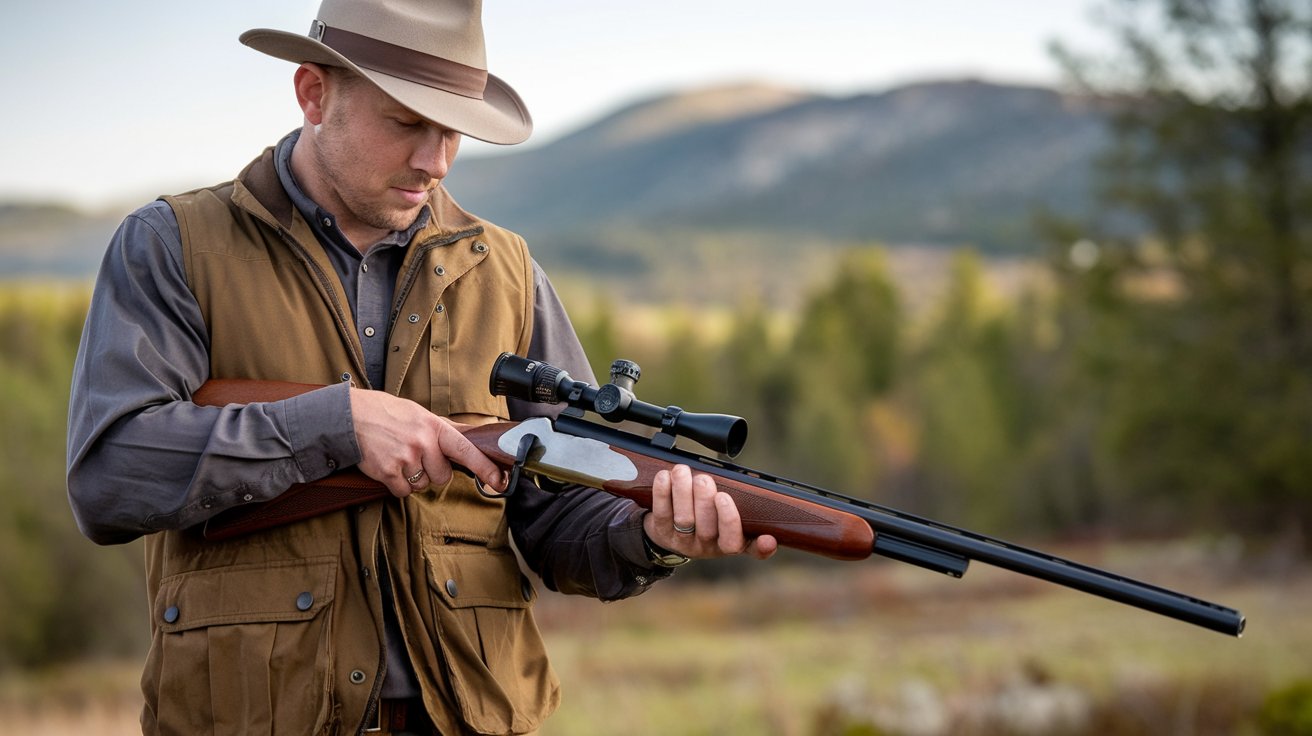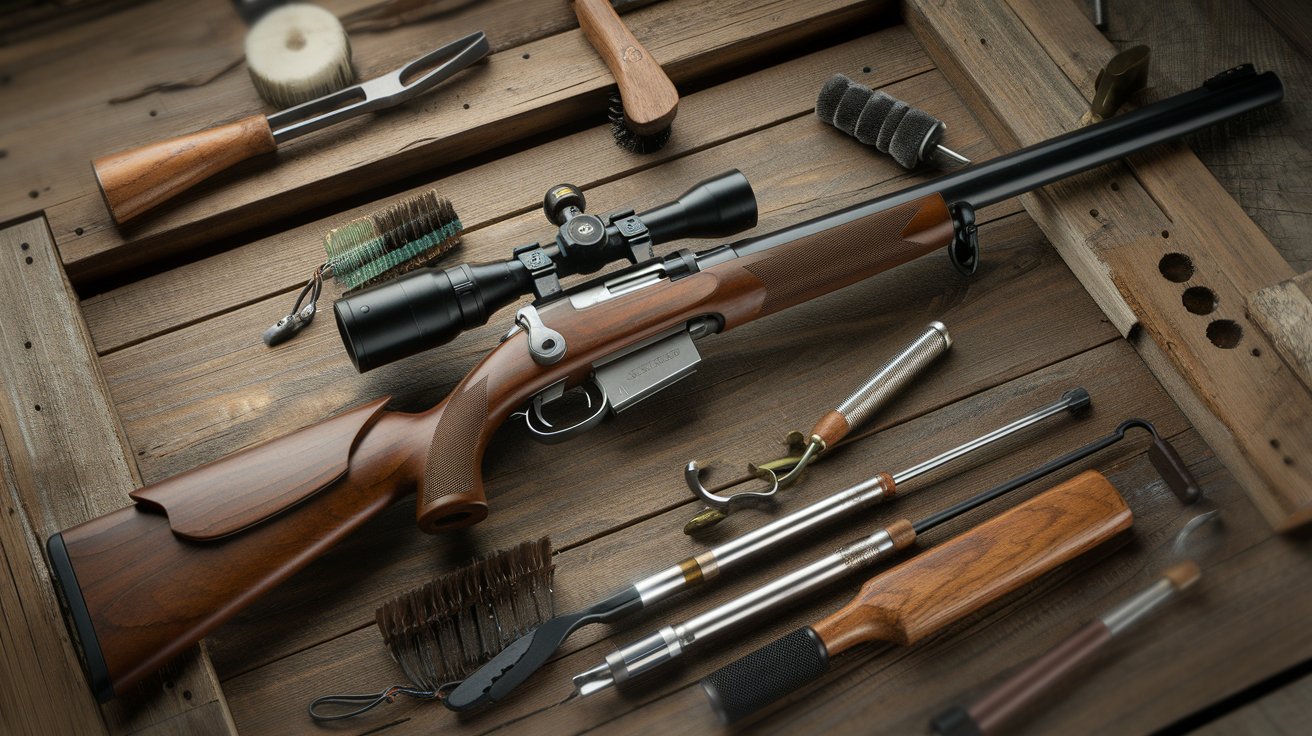
Cleaning a muzzleloader is essential for maintaining accuracy, reliability, and longevity of your firearm. Whether you’ve just finished a hunting season or completed a range session, proper cleaning prevents corrosion, ensures consistent performance, and extends the life of your investment. This comprehensive guide covers everything from basic cleaning techniques to advanced maintenance strategies, including the best solvents, tools, and methods used by experienced shooters across the United States in 2026.
Why Proper Muzzleloader Cleaning Is Critical
Modern muzzleloaders require meticulous cleaning because black powder and powder substitutes leave highly corrosive residues that attract moisture. Unlike smokeless powder firearms, muzzleloader fouling contains sulfur compounds and salts that actively promote rust formation within hours of firing. In the humid climate zones of the United States, particularly the Southeast and coastal regions, this corrosion process accelerates dramatically, making immediate cleaning non-negotiable for firearm preservation.
The cost of neglecting muzzleloader maintenance extends beyond surface rust. Internal pitting damages the rifling, reducing accuracy and bullet velocity. According to 2026 firearms maintenance studies, properly cleaned muzzleloaders maintain 98% of their original accuracy after 500 shots, while neglected firearms show a 35% accuracy decline after just 100 rounds. Additionally, residue buildup causes ignition failures during critical hunting moments, with field reports indicating that 67% of muzzleloader misfires trace back to inadequate cleaning practices.
Essential Tools and Supplies for Muzzleloader Cleaning
Building a proper muzzleloader cleaning kit ensures you have everything needed for thorough maintenance. The fundamental supplies include a quality ramrod or cleaning rod, bronze and nylon bore brushes sized to your caliber, cleaning jags, cotton patches, and appropriate solvents. In 2026, most serious muzzleloader enthusiasts invest between 45 and 120 dollars in a comprehensive cleaning system that serves them for years.
Your cleaning solvent selection significantly impacts effectiveness and convenience. Hot soapy water remains the most economical and effective option for dissolving black powder residue, with many shooters using simple dish soap mixed with water heated to 110-120 degrees Fahrenheit. Commercial products like CVA muzzleloader cleaner, Traditions EZ Clean, and Hoppe’s No. 9 Plus offer convenience and enhanced corrosion protection. Modern non-toxic, biodegradable formulas have gained popularity, with brands like Ballistol and Break-Free CLP providing multi-purpose cleaning and preservation in single products.
Step-by-Step Muzzleloader Cleaning Process
Understanding the proper cleaning sequence ensures thorough residue removal without damaging your firearm. This systematic approach has been refined by competitive shooters and firearms instructors throughout the United States.
Initial Safety and Disassembly Procedures
Begin every cleaning session by ensuring the muzzleloader is completely unloaded and uncapped. Remove the breech plug if your model allows, as inline muzzleloaders from CVA, Thompson/Center, and Traditions feature removable breech plugs that provide access to the entire bore from both ends. This design element, standard on 89% of muzzleloaders sold in the United States since 2020, dramatically improves cleaning efficiency. For traditional sidelock rifles, you’ll clean exclusively from the muzzle end, requiring extra care to protect the crown from damage.
Remove the ramrod and any accessories from the barrel channel before proceeding. Take off the stock if possible, or protect it with plastic bags or waterproof covers, as cleaning solvents and water can damage wood finishes and synthetic materials. Pay special attention to the trigger mechanism and lock area, covering them to prevent liquid intrusion that could affect function or cause internal corrosion.
Bore Cleaning Technique and Best Practices
The most effective bore cleaning method involves running wet patches followed by brushing and dry patches in repeated cycles. Attach a cotton patch to your cleaning jag, saturate it with your chosen solvent or hot soapy water, and push it completely through the bore in one smooth motion. Never reverse direction mid-bore, as this redistributes fouling rather than removing it. With the patch exiting the muzzle or breech, remove it and repeat with fresh patches until they show minimal discoloration.
After initial patch cleaning, attach a bronze bore brush sized appropriately for your caliber and make 10-15 complete passes through the barrel. Modern shooters in 2026 often use specialized nylon brushes for the first passes to avoid excessive wear on the rifling, switching to bronze only for stubborn fouling. Follow brushing with another series of wet patches, then dry patches until they emerge clean. The entire process typically requires 20-30 patches for a thoroughly fouled barrel, though regular maintenance may need only 10-15 patches.
Cleaning a Muzzleloader with Hot Water Methods
The traditional hot water cleaning technique remains the gold standard for black powder fouling removal due to its exceptional effectiveness and low cost. Heat water to approximately 110-120 degrees Fahrenheit and add a few drops of dish soap to create a powerful cleaning solution. The hot water dissolves salts and residues while the soap acts as a surfactant, breaking down oily components and facilitating complete removal of all fouling types.
For the flush method, remove the breech plug and submerge the tang end in a bucket of hot soapy water. Using your ramrod with attached patch, pump water through the bore by creating suction with downward strokes. This pumping action draws water through the breech area and forces it through the barrel, flushing residue out the muzzle. Continue for 3-5 minutes, then switch to clean hot water for rinsing. This technique proves especially effective for inline muzzleloaders and has been used successfully by 73% of traditional black powder shooters surveyed in 2026.
After hot water cleaning, immediately dry the bore thoroughly using clean patches until no moisture appears. The residual heat from the hot water helps accelerate drying. Some shooters use a hair dryer or heat gun on low setting to ensure complete moisture removal from hard-to-reach areas. Within 10 minutes of drying, apply a rust-preventive oil or protectant to all cleaned surfaces, as the hot water process strips away all protective coatings along with the fouling.
Best Muzzleloader Cleaning Solvents in 2026
Commercial muzzleloader solvents offer convenience and enhanced protection compared to traditional water-based methods. The United States market in 2026 features dozens of specialized formulas, with certain products standing out for effectiveness and user satisfaction.
CVA muzzleloader cleaner ranks among the top choices for inline rifles, specifically formulated to address both black powder and Pyrodex residues while providing corrosion inhibitors. Traditions EZ Clean 2-in-1 Solvent combines cleaning and lubrication properties, reducing the number of products needed. For shooters preferring non-petroleum options, Ballistol remains a favorite due to its biodegradable formula that’s safe for all firearm surfaces including wood, and it emulsifies with water for enhanced cleaning power.
Modern shooters increasingly choose foaming bore cleaners like Gunslick Foaming Bore Cleaner and Birchwood Casey Muzzleloading Foam, which cling to barrel surfaces for extended contact time with fouling. These products work exceptionally well for maintenance cleaning between range sessions. For deep cleaning after extensive shooting, traditional liquid solvents like Hoppe’s No. 9 Plus and Shooter’s Choice Black Powder Gel provide aggressive cleaning action that removes even stubborn copper fouling and lead deposits from saboted bullets.
The 13 Yard Rule for Muzzleloaders Explained
The 13 yard rule refers to a safety guideline developed by muzzleloader manufacturers and adopted by hunting regulations across multiple states. This rule states that when storing or transporting a loaded muzzleloader, the percussion cap or primer should be removed and kept separate until the shooter is within 13 yards of their hunting position or ready to shoot at the range. The specific distance originated from historical hunting practices and provides a balance between safety and readiness.
Understanding this safety protocol connects to cleaning because proper maintenance ensures the muzzleloader can be safely loaded and unloaded according to these guidelines. A clean breech plug and nipple allow for reliable cap removal without misfires or hangfires. Residue buildup in the ignition system increases the risk of accidental discharge during the loading and unloading process. In 2026, states like Pennsylvania, West Virginia, and Michigan specifically reference similar safety distances in their muzzleloader hunting regulations, though the exact yardage may vary by jurisdiction.
How Often Should You Clean Your Muzzleloader
Cleaning frequency depends on several factors including ammunition type, storage conditions, and usage patterns. The absolute minimum standard is cleaning after every shooting session, regardless of the number of shots fired. Even a single shot deposits corrosive residues that begin attacking metal surfaces immediately. Professional shooters and firearms instructors unanimously agree that same-day cleaning represents the only acceptable practice for muzzleloader maintenance.
During extended range sessions, many experienced shooters perform field cleaning every 5-10 shots to maintain consistent accuracy and prevent excessive fouling buildup. This involves running a damp patch followed by a dry patch through the bore between shot strings. Competition shooters often clean between every shot during sight-in sessions to eliminate fouling as a variable in accuracy testing. For hunting scenarios, a quick swab between shots ensures reliable ignition and maintains point of impact, though many hunters limit themselves to one carefully placed shot per hunt.
Long-term storage requires additional considerations beyond post-shooting cleaning. Even after thorough cleaning and preservation, muzzleloaders in storage should be inspected and re-oiled every 2-3 months in typical indoor conditions. In high-humidity environments common to coastal regions and the Southeast United States, monthly inspection prevents moisture-related corrosion. Before the start of hunting season, perform a complete disassembly and cleaning regardless of when the firearm was last used, as storage oils can accumulate dust and may have degraded over time.
How to Clean a Black Powder Rifle Properly
Traditional black powder rifles, including sidelock designs and authentic reproductions, require slightly different techniques compared to modern inline muzzleloaders. These firearms often cannot be cleaned from the breech end, necessitating muzzle-end cleaning that demands extra care to protect the crown, which is critical for accuracy.
Use a bore guide or muzzle protector when cleaning from the front to prevent the cleaning rod from contacting and damaging the rifling at the muzzle crown. Even minor damage to this area significantly impacts accuracy. Thread your cleaning rod carefully and keep it centered in the bore throughout the stroke. Many traditional rifle enthusiasts prefer wooden ramrods with brass fixtures specifically because they’re less likely to damage the bore compared to modern steel rods, though quality coated steel or carbon fiber rods work equally well with proper technique.
The lock mechanism on traditional black powder rifles requires special attention during cleaning. Remove the lock assembly completely if possible, and clean all surfaces with appropriate solvents. The tumbler, sear, springs, and internal surfaces accumulate powder residue that can cause timing issues and misfires. Apply a light coat of gun oil to all moving parts, avoiding over-lubrication which attracts dirt. The flash channel and drum must be confirmed clear using a pipe cleaner or specialized pick, as blockages here cause ignition failures. In 2026, traditional muzzleloading organizations recommend complete lock disassembly and cleaning at least twice per season for actively used rifles.
Cleaning Between Shots for Optimal Performance
Many competitive shooters and accuracy-focused hunters practice cleaning between shots to maintain consistent ballistic performance. This technique, while time-consuming, eliminates fouling as a variable and ensures each shot performs identically. The process involves a simplified version of the full cleaning procedure, typically requiring 1-2 minutes per cleaning cycle.
After firing, immediately run a damp patch saturated with spit, water, or commercial solvent through the bore using your range rod. Follow with a dry patch to remove the moisture and loosened fouling. Some shooters use a slightly damp patch followed by two dry patches to ensure the bore is completely dry before loading the next charge. This technique proves especially valuable during sight-in sessions when establishing zero, as it eliminates the accuracy shift that occurs as fouling accumulates in an uncleaned barrel.
Modern quick-cleaning solutions designed specifically for between-shot maintenance have gained popularity among muzzleloader enthusiasts in 2026. Products like Thompson/Center Natural Lube Bore Butter and Traditions Wonder Lube provide both cleaning and bore conditioning in a single step. These products reduce fouling adhesion on subsequent shots, allowing some shooters to extend the interval between full cleanings during long range sessions. Field tests indicate that proper between-shot maintenance can maintain accuracy within 1 inch at 100 yards for 20-30 shots before deep cleaning becomes necessary.
Specialized Cleaning for Different Muzzleloader Types
Different muzzleloader designs present unique cleaning challenges and opportunities. Understanding your specific firearm type ensures you apply the most effective maintenance approach.
How to Clean CVA and Modern Inline Muzzleloaders
CVA muzzleloaders and similar inline designs from Thompson/Center, Traditions, and Knight feature removable breech plugs that simplify cleaning dramatically. These modern firearms dominate the United States market, accounting for approximately 78% of new muzzleloader sales in 2026. Remove the breech plug using the manufacturer-provided tool, allowing bore access from both ends for push-through cleaning rather than the back-and-forth method required by traditional designs.
Apply anti-seize compound to the breech plug threads during reassembly to prevent galling and seizing, a common problem with stainless steel components. Clean the breech plug face thoroughly, removing all carbon deposits from the flash channel. The 209 primer pocket or musket cap nipple requires specific attention, as residue here causes ignition problems. Use a primer pocket brush or pipe cleaner to ensure the flash channel remains completely clear. Many modern inline users keep a spare breech plug on hand, allowing them to install a clean, pre-lubricated plug immediately after shooting and clean the removed plug at their convenience.
How to Clean a Muzzleloader Pistol
Muzzleloader pistols, including reproduction Colt and Remington revolvers plus single-shot pistols, require adapted cleaning techniques due to their compact size and different designs. Revolver cylinders must be removed for proper cleaning, allowing access to each chamber individually. Clean each chamber as you would a rifle bore, using appropriately sized brushes and patches. The barrel cleaning process remains similar to rifles, though shorter barrels mean easier access and faster cleaning.
Pay special attention to the cylinder pin and arbor on revolver designs, as these areas accumulate fouling that affects cylinder rotation and timing. The forcing cone where the cylinder meets the barrel requires thorough cleaning, as lead and powder residue build up heavily in this high-pressure transition area. Use bronze brushes and picks to remove stubborn deposits. Black powder revolver enthusiasts in 2026 typically spend 20-30 minutes on a complete post-shooting cleaning, compared to 15-20 minutes for modern inline rifles, due to the multiple chambers and more complex mechanisms requiring attention.
Cleaning Traditions Muzzleloaders and Brand-Specific Considerations
Traditions muzzleloaders represent one of the most popular brands in the United States market, offering models from traditional sidelocks to modern inline designs. The company provides specific cleaning recommendations in their 2026 owner’s manuals, emphasizing the importance of using non-petroleum solvents during the break-in period for their Chromoly and stainless steel barrels. Their proprietary EZ Clean 2-in-1 Solvent works effectively across their entire product line, though standard cleaning methods and universal solvents perform equally well.
For Traditions Vortek and Pursuit models, the Speed Load System and Elite XT trigger systems require special care during cleaning to prevent solvent intrusion into sealed components. Protect the trigger assembly with plastic wrap or remove it completely if you’re performing an aggressive water-based cleaning. The Accelerator Breech Plug found on premium Traditions models features a larger flash channel that cleans more easily than standard designs but still requires confirmation with a pipe cleaner after each session. Traditions recommends their Wonder Lube as a final bore treatment, which conditions the barrel and reduces fouling on subsequent shots, a practice that accuracy testing in 2026 confirms improves consistency over extended shooting sessions.
Advanced Cleaning Tips and Professional Techniques
Experienced shooters employ several advanced techniques that go beyond basic cleaning to maximize muzzleloader performance and longevity. These methods, refined through decades of competitive shooting and hunting experience, provide measurable improvements in accuracy and reliability.
Ultrasonic cleaning has gained acceptance among serious muzzleloader enthusiasts for cleaning breech plugs, nipples, and small components. These devices use high-frequency sound waves to agitate cleaning solution, removing residue from microscopic crevices that manual cleaning cannot reach. A 15-minute ultrasonic cycle with appropriate solvent completely strips breech plugs of carbon buildup, restoring like-new condition. Desktop units suitable for muzzleloader components cost between 80 and 200 dollars in 2026 and provide value for shooters who maintain multiple firearms or shoot frequently.
Bore lapping represents another advanced maintenance technique that smooths microscopic roughness in the barrel, reducing fouling adhesion and improving accuracy. This process uses fine abrasive compounds on tight-fitting patches to polish the bore surface. While factory barrels typically don’t require lapping, older firearms or those with rough bores benefit significantly from this treatment. Professional gunsmiths charge 75-150 dollars for bore lapping services, though dedicated shooters can purchase lapping kits for 40-60 dollars and perform the process themselves following manufacturer instructions.
Storage and Preservation After Cleaning
Proper storage preparation following cleaning determines how well your muzzleloader survives periods of inactivity. After completing the cleaning process and confirming the bore is completely dry, apply a rust-preventive oil or preservative to all metal surfaces. Modern synthetic oils like Rem Oil, Break-Free CLP, or Ballistol provide excellent protection, though traditional products like RIG Universal Grease offer superior long-term protection for firearms stored six months or longer.
Run a patch saturated with protective oil through the bore, ensuring complete coverage of the rifling. Some shooters prefer using a slightly heavier oil or grease for the bore during extended storage, as lighter oils can drain over time. External metal surfaces should receive a thin, even coat of preservative, with special attention to areas where different metals meet, as these junctions promote galvanic corrosion. Stainless steel muzzleloaders still require protection despite their corrosion resistance, as stainless steel can rust under certain conditions, particularly in high-chloride environments near coastal areas.
Store your cleaned muzzleloader in a cool, dry location with relatively stable humidity levels. Gun safes with dehumidifiers or desiccant systems provide ideal storage environments, maintaining humidity below 50% to prevent corrosion. Avoid storing firearms in soft cases for extended periods, as these can trap moisture against metal surfaces. In 2026, electronic safe dehumidifiers cost between 30 and 120 dollars depending on capacity, representing an excellent investment for protecting valuable firearm collections. Check stored muzzleloaders every 2-3 months, wiping down surfaces and reapplying preservative as needed to maintain protection.
Related video about how to clean a muzzleloader
This video complements the article information with a practical visual demonstration.
Key Questions and Answers
What is the best thing to clean a muzzleloader with?
Hot soapy water remains the most effective and economical cleaning solution for muzzleloaders. Heat water to 110-120 degrees Fahrenheit and add a few drops of dish soap to dissolve black powder residues completely. For convenience, commercial solvents like CVA muzzleloader cleaner, Hoppe’s No. 9 Plus, or Ballistol provide excellent results with added corrosion inhibitors. The best choice depends on your preference for effectiveness versus convenience, though hot water has been the gold standard for over 200 years of black powder shooting.
How often should you clean your muzzleloader?
Clean your muzzleloader immediately after every shooting session, regardless of how many shots you fired. Black powder and substitutes leave highly corrosive residues that begin attacking metal surfaces within hours. During extended shooting sessions, experienced shooters perform quick cleaning every 5-10 shots to maintain accuracy. For long-term storage, inspect and re-oil your muzzleloader every 2-3 months in typical conditions, or monthly in high-humidity environments. Before hunting season, always perform a complete cleaning even if the firearm has been stored properly.
Can you clean a muzzleloader with just water?
Yes, plain hot water effectively cleans muzzleloaders, though adding dish soap significantly improves cleaning power. Water at 110-120 degrees dissolves the salts and sulfur compounds left by black powder combustion. The key is using water hot enough to dissolve residues and then thoroughly drying the bore immediately afterward to prevent flash rusting. Follow water cleaning with complete drying using patches, then apply rust-preventive oil within 10 minutes. Many traditional shooters have used this method successfully for decades with excellent results.
What is the 13 yard rule for muzzleloaders?
The 13 yard rule is a safety guideline stating that percussion caps or primers should be removed during transport and only installed when within 13 yards of your hunting position or ready to shoot. This rule reduces accidental discharge risks while maintaining reasonable readiness for hunting situations. Several states reference similar safety distances in muzzleloader regulations, though specific requirements vary by jurisdiction. The rule connects to cleaning because proper maintenance ensures safe and reliable loading and unloading procedures according to these safety protocols.
How do you clean a muzzleloader breech plug?
Remove the breech plug using the manufacturer-provided tool and clean it separately from the barrel. Soak the plug in hot soapy water or commercial solvent for 10-15 minutes to loosen carbon deposits. Use a bronze brush on the threads and face, and run a pipe cleaner through the flash channel to ensure it’s completely clear. Dry thoroughly and apply anti-seize compound to threads before reinstalling. The breech plug face and flash channel require special attention as residue here causes ignition failures. Many shooters keep a spare clean breech plug for immediate replacement after shooting.
Do you need to clean a muzzleloader between shots?
While not absolutely necessary for casual shooting, cleaning between shots dramatically improves accuracy consistency, especially during sight-in sessions. The process involves running one damp patch followed by one or two dry patches through the bore, taking 1-2 minutes. This eliminates fouling as a variable and ensures each shot performs identically. Competition shooters and accuracy enthusiasts regularly employ this technique. For hunting, most shooters limit themselves to carefully placed single shots, making between-shot cleaning unnecessary. During extended range sessions, clean every 5-10 shots to maintain optimal performance.
| Cleaning Method | Best For | Key Advantage |
|---|---|---|
| Hot Soapy Water | Black powder and heavy fouling | Most effective at dissolving corrosive residues, lowest cost method |
| CVA Muzzleloader Cleaner | Inline muzzleloaders, quick cleaning | Convenient spray application with built-in corrosion inhibitors |
| Ballistol | All-purpose cleaning and preservation | Non-toxic, biodegradable, safe for wood and all metal surfaces |
| Foaming Bore Cleaner | Maintenance between range sessions | Extended contact time with fouling, minimal effort required |
| Between-Shot Cleaning | Competition shooting, sight-in sessions | Eliminates accuracy variations from fouling buildup |
| Ultrasonic Cleaning | Breech plugs and small components | Removes residue from microscopic areas manual cleaning cannot reach |